

Cpgconnect // Vol. 27: Grocery Gets Louder, Deals Get Bigger, and Functional Becomes Default

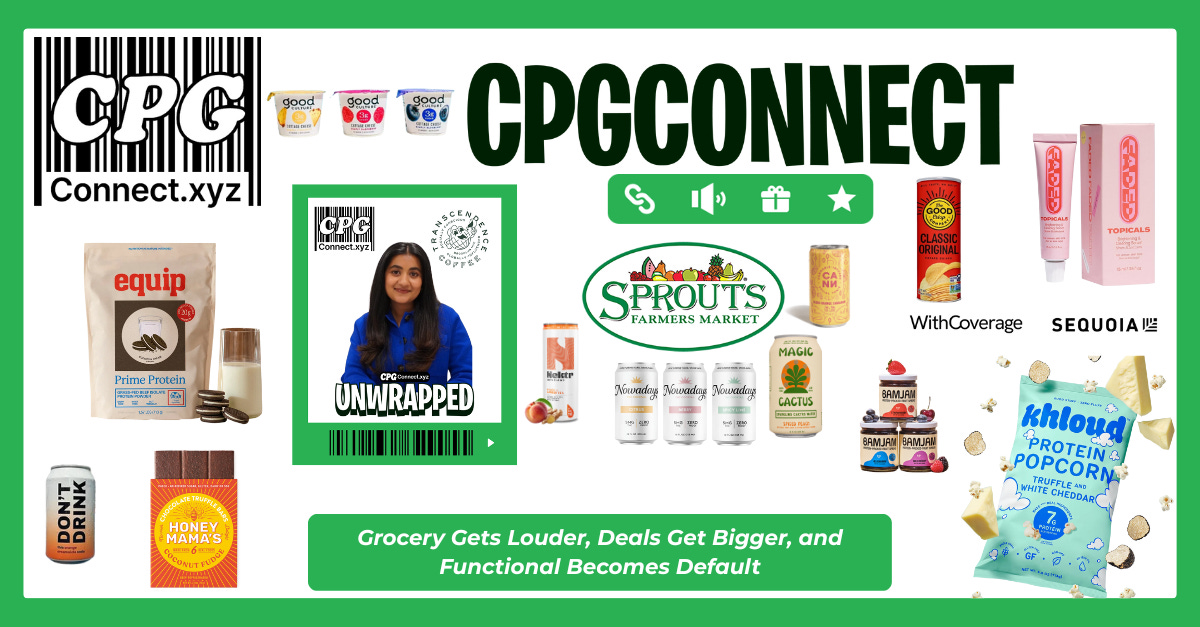
We’re rolling into 2026 with momentum. Retail is speeding up, better-for-you is turning into table stakes, and the “boring” infrastructure behind brands is suddenly where the biggest signals are showing up.
This week’s edition is a mix of what matters right now: major retail expansion, capital moving back into proven winners, and the brands and tools quietly giving operators an edge.
But before we dive in, take a quick second to fill out this form. It helps me give back to the CPG community we’re building, connect the right people, and surface new opportunities for brands looking to grow.
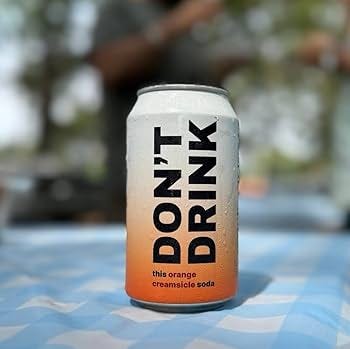
Brand Shoutout: Dont Drink
Don’t Drink is a prebiotic soda brand with an anti-wellness voice, blending prebiotics + electrolytes with a low sugar profile (3–5g) across flavors like Classic Cola and Orange Creamsicle. Sold DTC in 12-packs (~$29.99) with Amazon availability for select SKUs.
Tech Shoutout: Rho
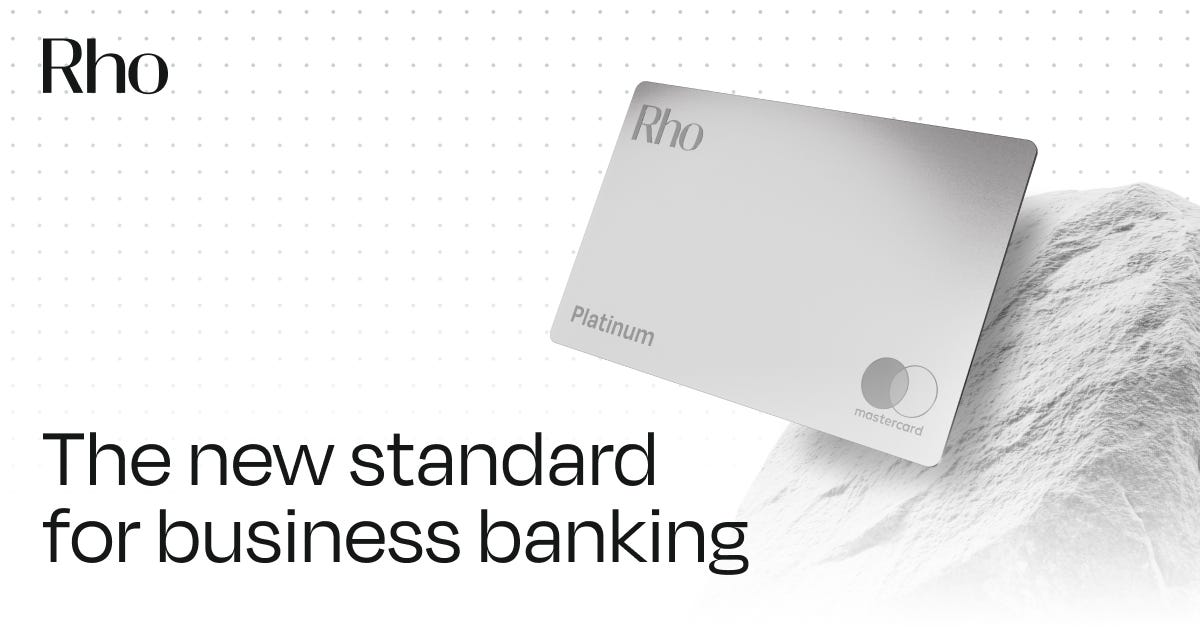
Rho streamlines finance for high-growth founders
Rho is an all-in-one finance platform built for modern operators, combining fee-free business banking, high-yield treasury with no lock-ins, up to 2% cash back, no account minimums, and a dedicated account manager in one place.
Cpgconnect perk: if your average checking balance is $20K+, you’ll get a $1,600 bonus 60 days after moving your business banking to Rho.
If you want to upgrade your finance stack in 2026, this is worth a look: Sign up here
Also, If your inventory lives in a graveyard of files like “FINAL_v6_FIXED.xlsx,” you’re not alone. Most CPG inventory systems are one broken formula away from chaos.
Peasy is a modern inventory tool built for scrappy brands that need real control without the ERP tax. It brings everything into one clean system that matches how inventory actually works: purchasing, receiving, production, sales, and cycle counts.
Built by Bryan, a former brand operator, Peasy is designed for founders who want tighter ops without slowing the business down. It’s free to start, and you can be up and running in a single evening. Check it out or book time with Bryan to see it in action.
Events:
RSVP - LA DTC Dinner 1/21 (La)
RSVP - SLC DTC Dinner 1/22 (Slc)
RSVP - Glimpse x Rho Dinner 1/22 (Nyc)
RSVP - The Consumer VC Wake Up 1/22 (Aus)
RSVP - Connecting Creators 1/29 (Slc)
RSVP - Workout + Lunch 2/2 (Slc)
RSVP - NYC Commerce Club 2/10 (Nyc)
Unwrapped w/ Mitalee from Transcendence Coffee
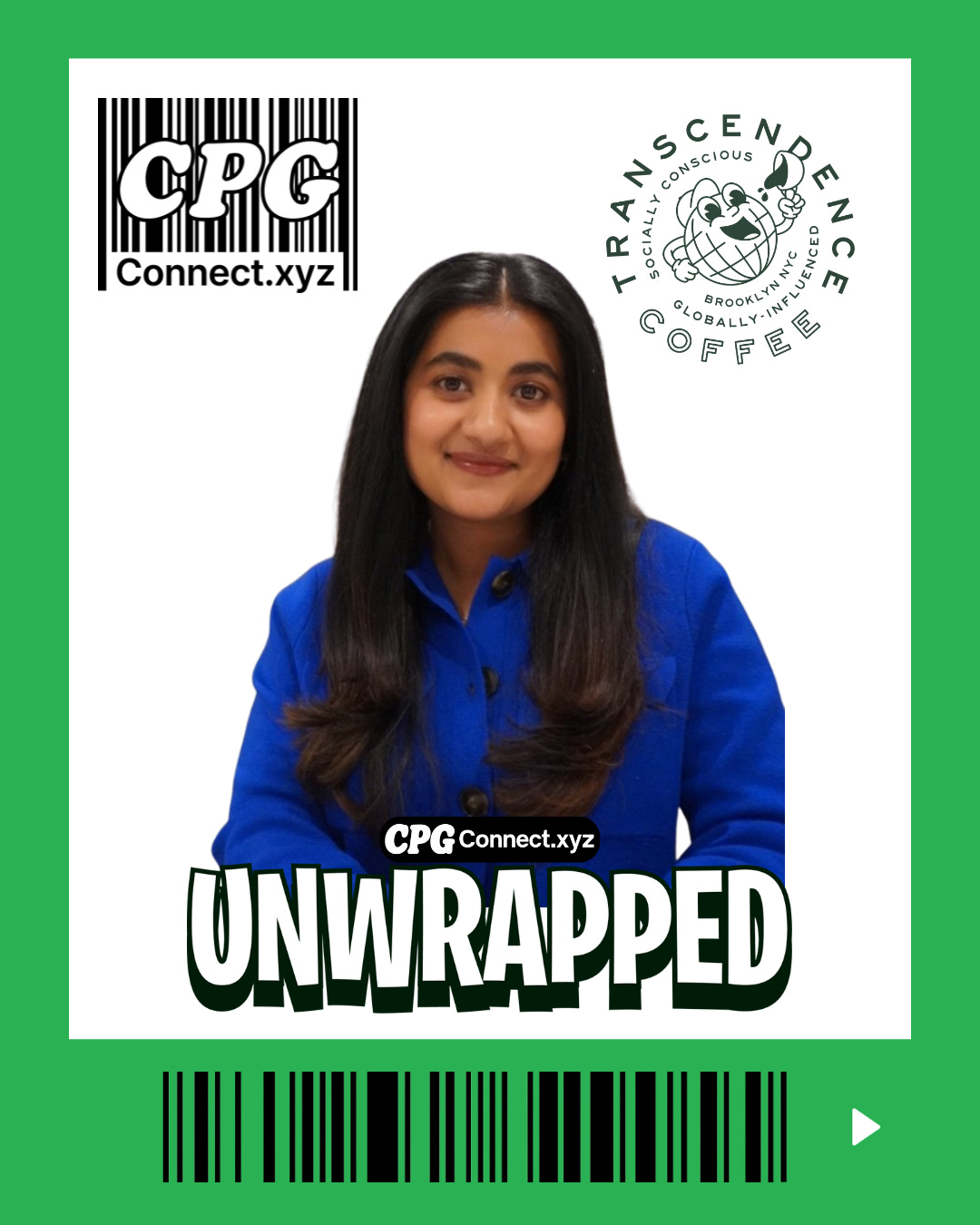
I sat down with Mitalee Bharadwaj, co-founder of Transcendence Coffee, to unpack how two computer engineers turned a love for specialty drinks into one of the more interesting “behind the bar” CPG brands in coffee.
Mitalee’s path started in an unlikely place. She and her co-founder Lisa met at the University of Illinois where they studied computer engineering, but they also spent three years working as baristas together on campus. That blend of technical rigor and daily reps behind the espresso machine is what shaped their obsession with what actually makes a great latte.
After graduating, Mitalee took the traditional high-performing route, landing at Apple as a hardware engineer working on products like iPad and Apple Pencil. But the itch to build didn’t go away. What kept pulling them back to coffee was a simple observation: the best specialty lattes weren’t being flavored with generic, overly sweet syrups. They were using housemade syrups with real ingredients and real intention.
Transcendence started from a frustration with what flavored syrups had become. Artificial, overly sweet, and out of sync with the craft that specialty coffee claims to represent. They quit their jobs and launched with two flavors rooted in culture and memory: Indian Gulab Jamun and Algerian Baklava. From day one, the goal was bigger than a couple fun SKUs. They want to redefine a category specialty coffee has largely written off and become the syrup provider behind the best beverage programs in the country.
The early days were pure scrappy founder energy. They produced in a commercial kitchen in Queens, hand-made and bottled everything, fulfilled orders out of Mitalee’s apartment in Hell’s Kitchen, and hauled shipments to UPS every afternoon. They stayed DTC first to dial operations and learn directly from customers before pushing into scale.
One of the most interesting parts of their story is how they’ve grown without outside capital. Mitalee shared that they’ve built the business with limited funding and no VC, which forced them to operate with discipline from the start. No cushion for big hires, paid acquisition, or oversized production runs. Instead, they stayed extremely close to cafés, let demand guide growth, and focused on unit economics, supplier relationships, and organic content and distribution. She said they’ve maintained $0 CAC to date.
As the foundation tightened, the brand scaled over the last three years to nine flavors and hundreds of café partners, supported by strong co-packer and fulfillment relationships. Growth today is relationship-driven and craft-led. They started in New York, are expanding through partners who care about quality, and are deepening distribution through foodservice channels like Odeko. At the same time, DTC remains a storytelling engine, a place to launch new flavors and collaborations and build a community of home baristas.
Looking ahead to 2026, Transcendence is preparing for its next chapter. Doubling down on new DTC discovery channels, and making their first hires to expand café growth into new cities.
Mitalee’s advice for founders is simple and sharp: start with a real white space or point of view. Consumers don’t need another same-category product with new branding. Transcendence worked because there was real product-market fit and real frustration in the market with chemical, fake-tasting syrups. And if you want to build something that lasts, the founding team matters just as much as the idea. You need strength across product, marketing, and distribution.
Transcendence is a reminder that some of the best CPG brands aren’t built from hype. They’re built from craft, customer pull, and operators who treat constraints as an advantage.
News:
WithCoverage raises $42M Series B to modernize insurance for brands.
WithCoverage just closed a $42M Series B led by Sequoia Capital and Khosla Ventures, a big signal that “boring infrastructure” is getting rebuilt for modern operators. Congrats to Max Brenner & JD Ross.
The company is taking aim at the legacy broker model by positioning as a tech-enabled risk management partner, built around a flat-fee approach rather than commission incentives. The pitch is simple: clearer decisions, better alignment, and coverage that actually holds up as brands scale.
As CPG gets more complex across channels, supply chains, and compliance, insurance is becoming less of a checkbox and more of an operational advantage. This is a bet that the next wave of brand infrastructure winners will be the ones that make back-office pain feel as easy as modern commerce.

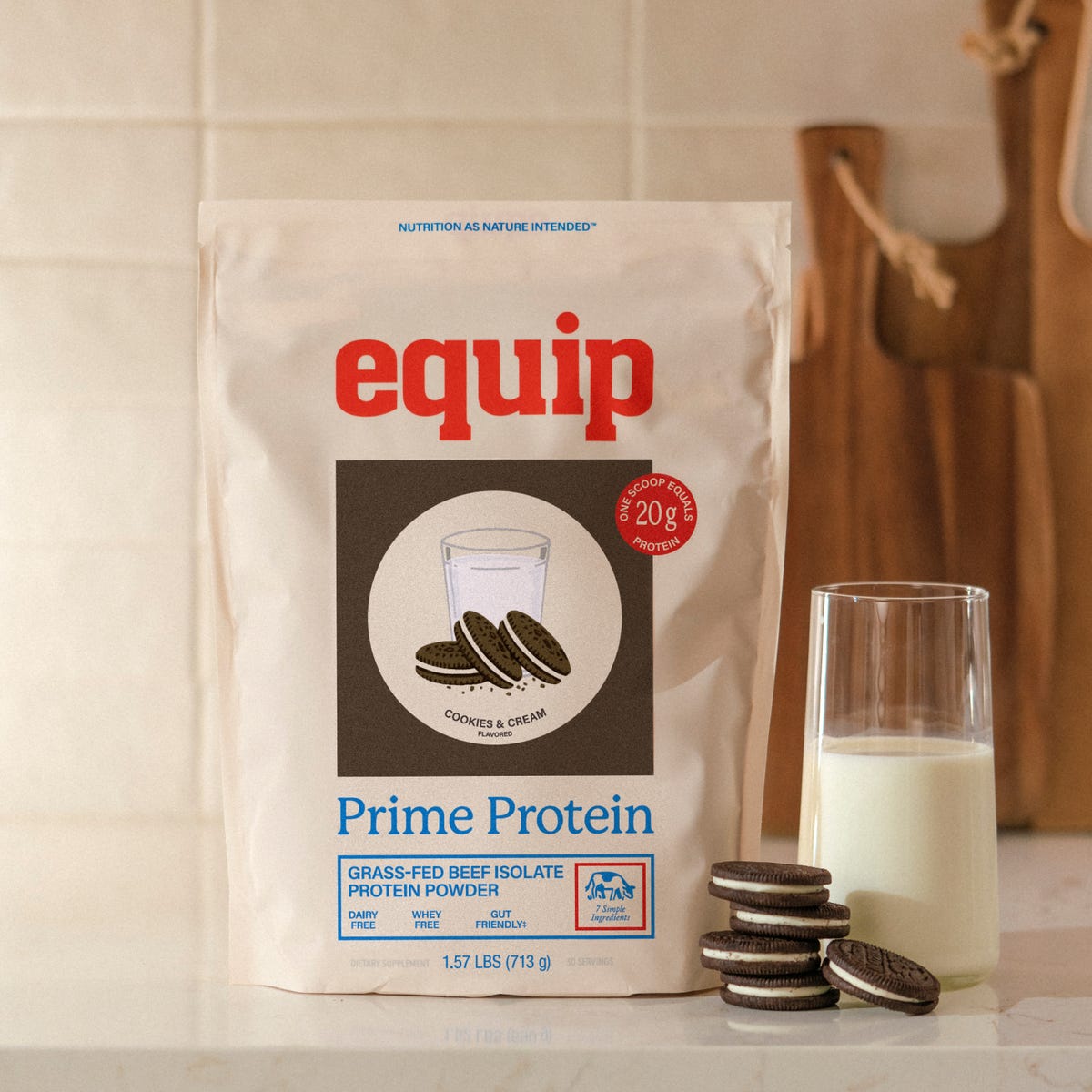
Equip drops Cookies & Cream Prime Protein with 20g protein and new sweetener options
Equip Foods just introduced Cookies & Cream Prime Protein, bringing a classic dessert flavor into its grass-fed beef protein lineup.
Each serving delivers 20g of protein, made with 8 real, food-based ingredients, and the flavor is built to taste like rich cocoa cookie crumbles with a smooth vanilla finish. For the first time, Equip is also launching the product with two sweetener paths: a low-sugar option sweetened with coconut sugar + monk fruit, and a no-sugar option sweetened with stevia.
This is functional nutrition moving further into “treat” territory while still keeping the ingredient deck tight. Giving customers a choice on sweeteners is a smart move as shoppers get more specific about sugar, taste, and tolerance.
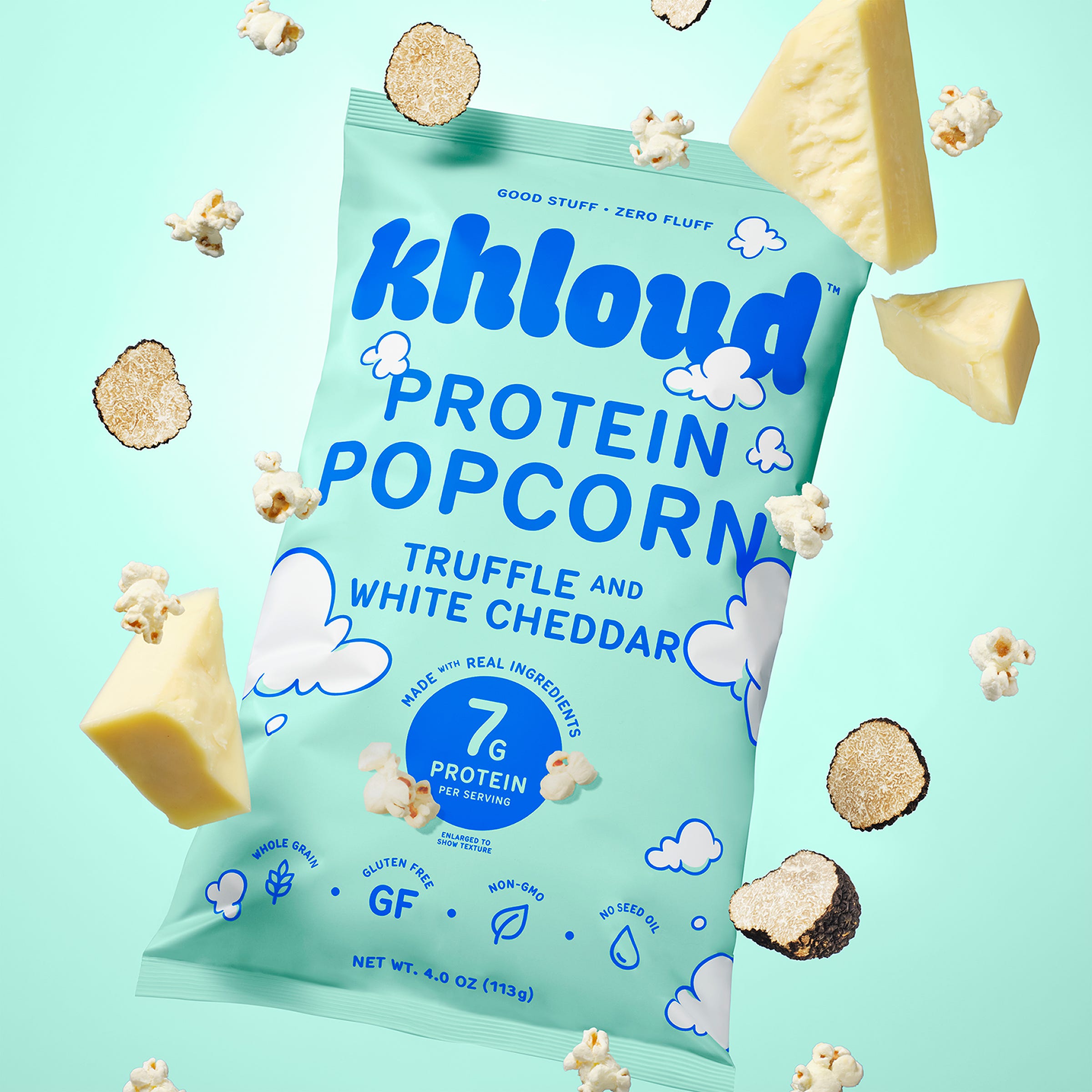
Khloud adds Truffle + White Cheddar protein popcorn as a permanent Target SKU
Khloud is expanding its lineup with Truffle and White Cheddar Protein Popcorn, officially announcing the new flavor on 1/15. The product is positioned as indulgent but still functional, delivering 7g of protein per serving with no seed oils and a short, recognizable ingredient deck.
It’s already live at Target, with khloudfoods.com coming soon.
What to watch: Khloud is backing the launch with hero content featuring Khloé, leaning into truffle’s “luxury” identity with a playful twist.
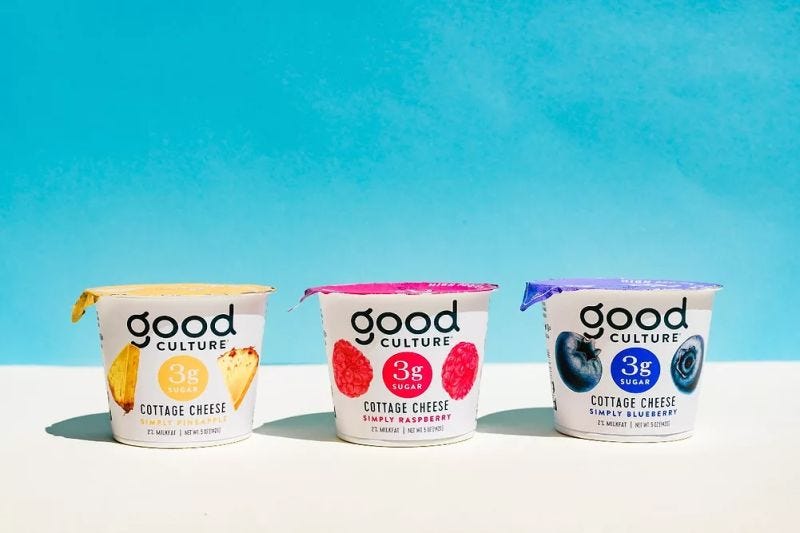
L Catterton takes majority stake in Good Culture at $500M+ valuation
L Catterton has agreed to acquire a majority stake in Good Culture, valuing the cottage cheese brand at more than $500 million.
Good Culture has ridden the cottage cheese comeback hard, with sales nearly quadrupling over the last three years while the overall category climbed close to 60% in the same window. Existing investor Manna Tree is reinvesting, and the stated focus is scaling production capacity, expanding distribution, and accelerating innovation to keep up with demand.
This is a clean signal that “high-protein, better-for-you dairy” is no longer a niche lane. It’s becoming a modern staple, and capital is showing up to help the winners go from cult fridge pick to household default.
Topicals brings in Angel Reese and Rema in new undisclosed funding round
Skincare brand Topicals secured a new round of funding with participation from WNBA star Angel Reese and Nigerian artist Rema, adding more cultural firepower to one of the most founder-led brands in modern beauty.
The amount was not disclosed, but the investment adds to Topicals’ momentum since launching in 2020 and follows the brand’s broader strategy of building at the intersection of skincare, community, and culture. Reported total funding for the company now sits north of $22.6M.
This is another signal that athlete and entertainer capital is shifting from paid endorsements to real ownership, especially in categories like beauty where trust, storytelling, and community distribution can outperform traditional ads.

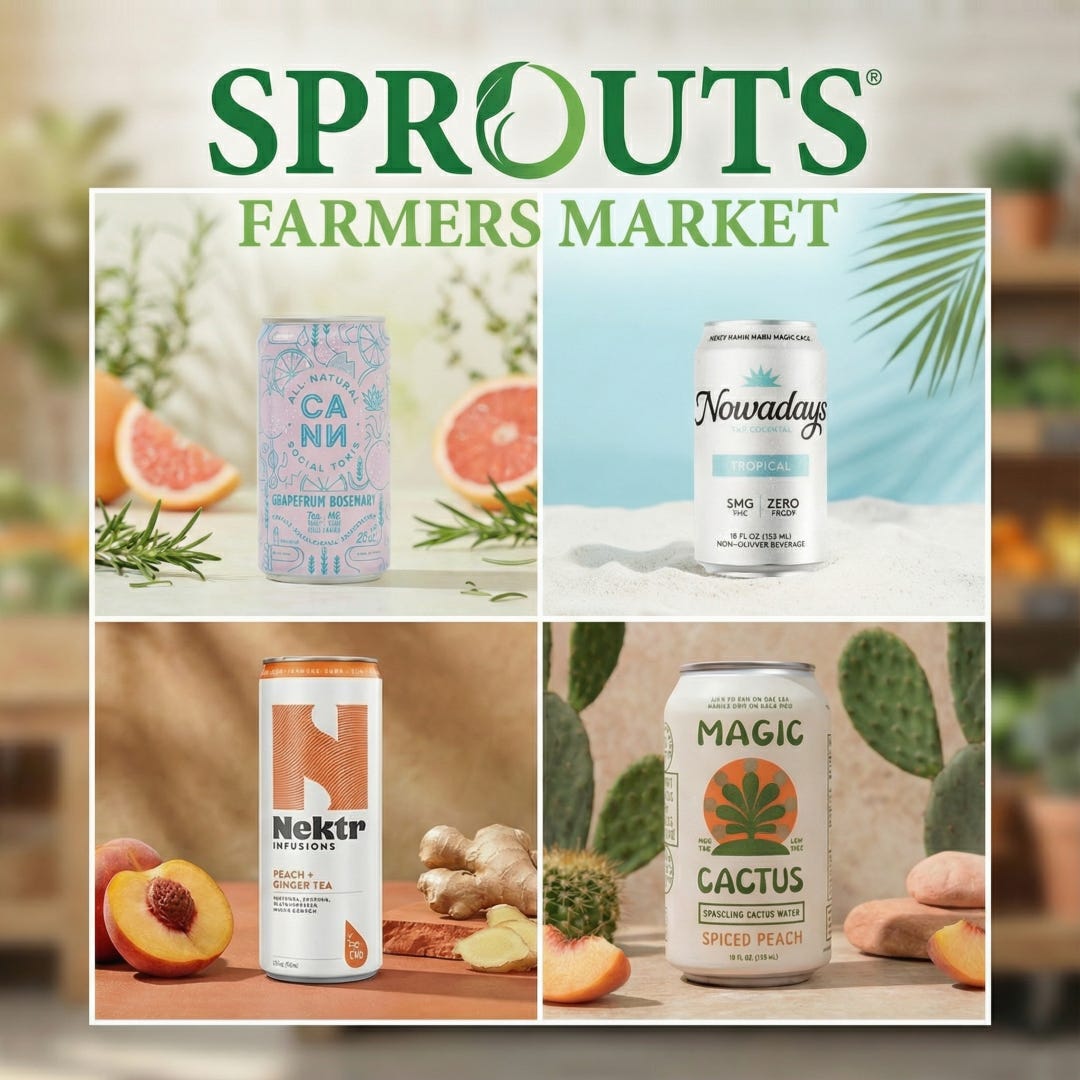
Sprouts mainstreams THC drinks with a 120-store launch
Sprouts is rolling out hemp-derived THC beverages to roughly 120 stores across Texas and Florida, marking one of the clearest moves yet from “alt channel” novelty to mainstream grocery availability.
The initial set includes brands like Cann, Magic Cactus, Nowadays, and Nektr, with products generally landing in the 2mg to 10mg THC range and positioned as a modern “adult beverage” alternative.
This is the category exploding in real time: natural grocers are becoming the gateway for THC drinks the same way they were early adopters for functional beverages. The big watch is regulatory risk, but a 120-store test signals retailers believe consumer pull is already too strong to ignore.
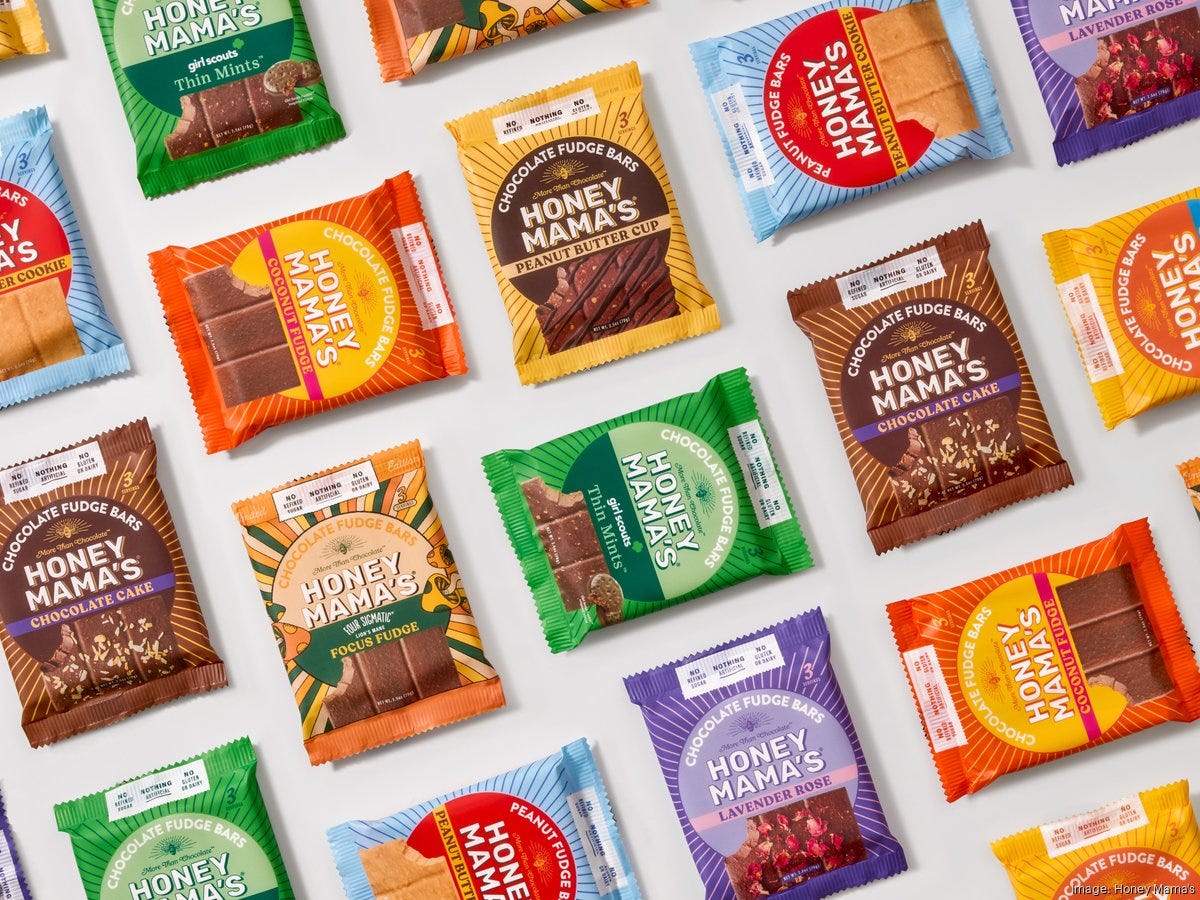
Honey Mama’s closes $4M round led by Bochi Investments
Honey Mama’s, the refrigerated chocolate and treat brand, closed a $4M funding round led by Bochi Investments, according to CEO Jared Schwartz.
The capital is expected to support the next phase of scale, including manufacturing capacity and broader distribution as the brand continues pushing deeper into major retail. Honey Mama’s has been building momentum across natural and specialty, with expansion into bigger footprints like Costco and Albertsons highlighting how far “fresh indulgence” has moved from niche to mainstream.
This is a bet that refrigerated snacking is becoming its own lane. As more brands chase cleaner ingredients without sacrificing taste, the ones that can win velocity while scaling cold-chain distribution will separate fast.
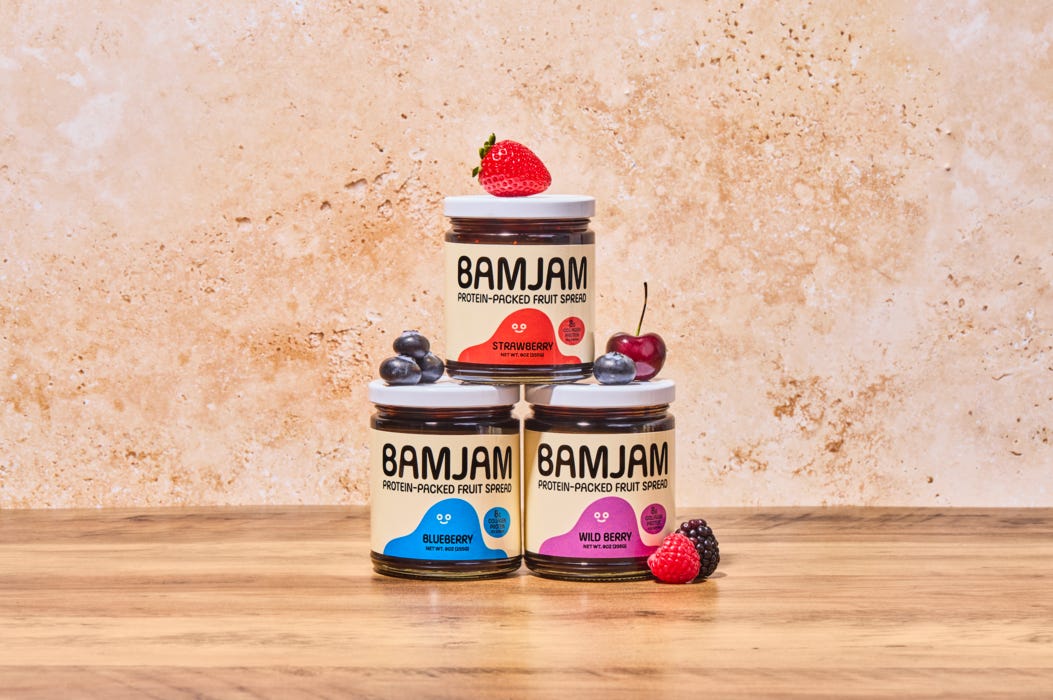
BamJam officially launches and is now live at bamjamprotein.com
BamJam is officially live for orders, marking the first real milestone in what the founder describes as a long journey to get to launch day.
Now the focus shifts to the part that actually matters: real customers. Early feedback on taste, use cases, and where the product fits into daily routines will shape what BamJam becomes from here.
If you try it, the founder is actively asking for honest thoughts, this is the “listen and iterate” phase.
SEMCAP closes $125M debut Food & Nutrition fund
SEMCAP has secured $125M in commitments for its inaugural Food & Nutrition fund, aimed at backing growth-stage brands across food, beverage, and health-focused consumer categories.
The close is another signal that capital is rotating back toward scaled, better-for-you platforms where distribution and repeat are already proven, not just early-stage storytelling. SEMCAP has previously pointed to exposure across modern nutrition and better-for-you brands, reinforcing the fund’s thesis around the convergence of pantry staples and performance-driven wellness.
In a tougher consumer funding environment, this is what “confidence” looks like: fewer, larger checks behind brands that are ready to turn velocity into real scale.
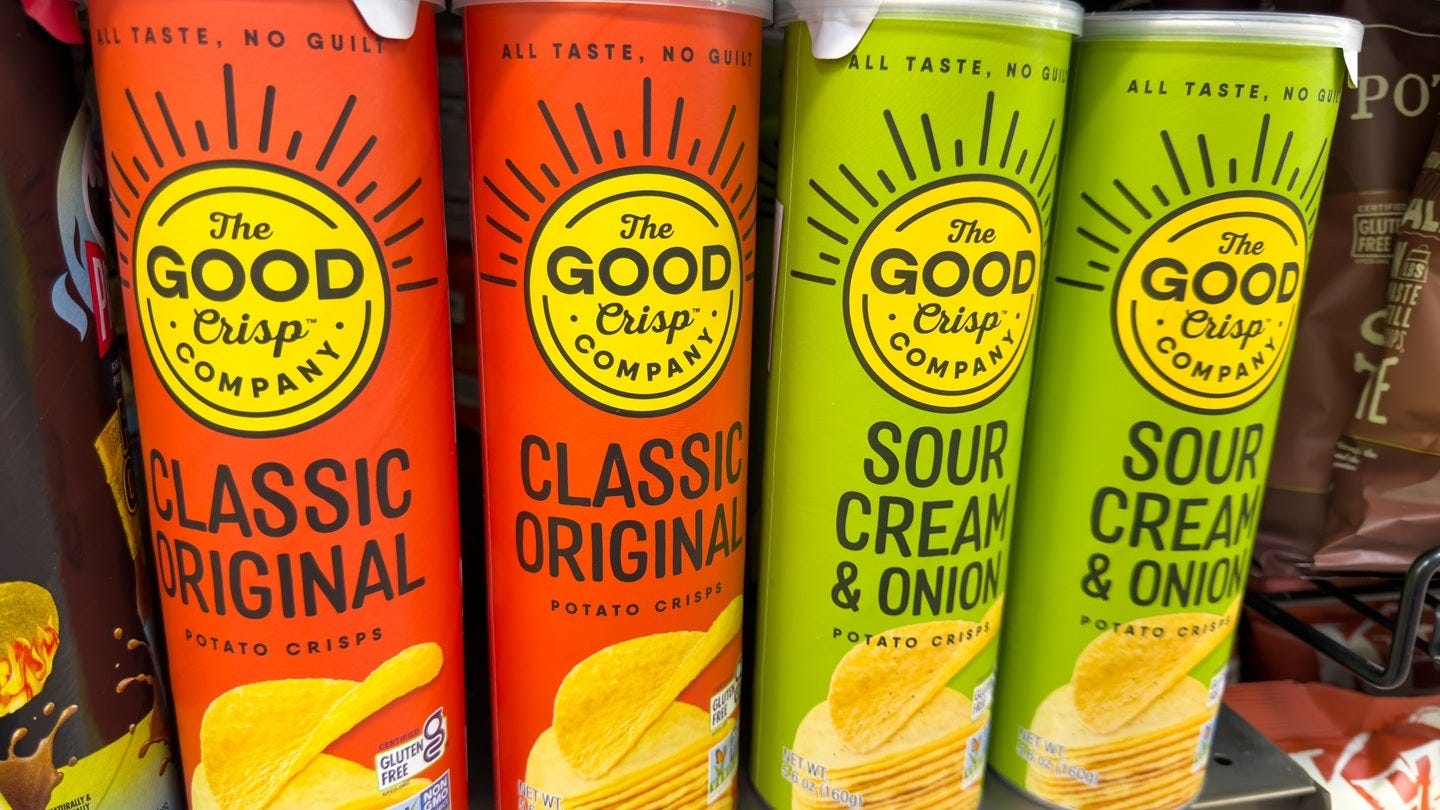
MPearlRock acquires The Good Crisp Company in undisclosed deal
MPearlRock Partners, the strategic partnership between MidOcean Partners and Kroger (alongside Kroger’s data arm 84.51°), is acquiring The Good Crisp Company for an undisclosed sum.
The Good Crisp Company has built a better-for-you twist on classic salty snacks with canister chips, cheeseballs, and crinkle cut chips positioned around gluten-free and no artificial ingredients, and distribution reported at 20,000+ doors across the U.S., Canada, Australia, and the UK.
This is a smart signal deal. Salty snacks are brutal to win, but massive if you do, and MPearlRock’s edge is uniquely retail-native: Kroger scale plus 84.51° data and merchandising muscle. If they execute, this is the kind of platform that can turn “better-for-you” from a niche option into a default cart add.
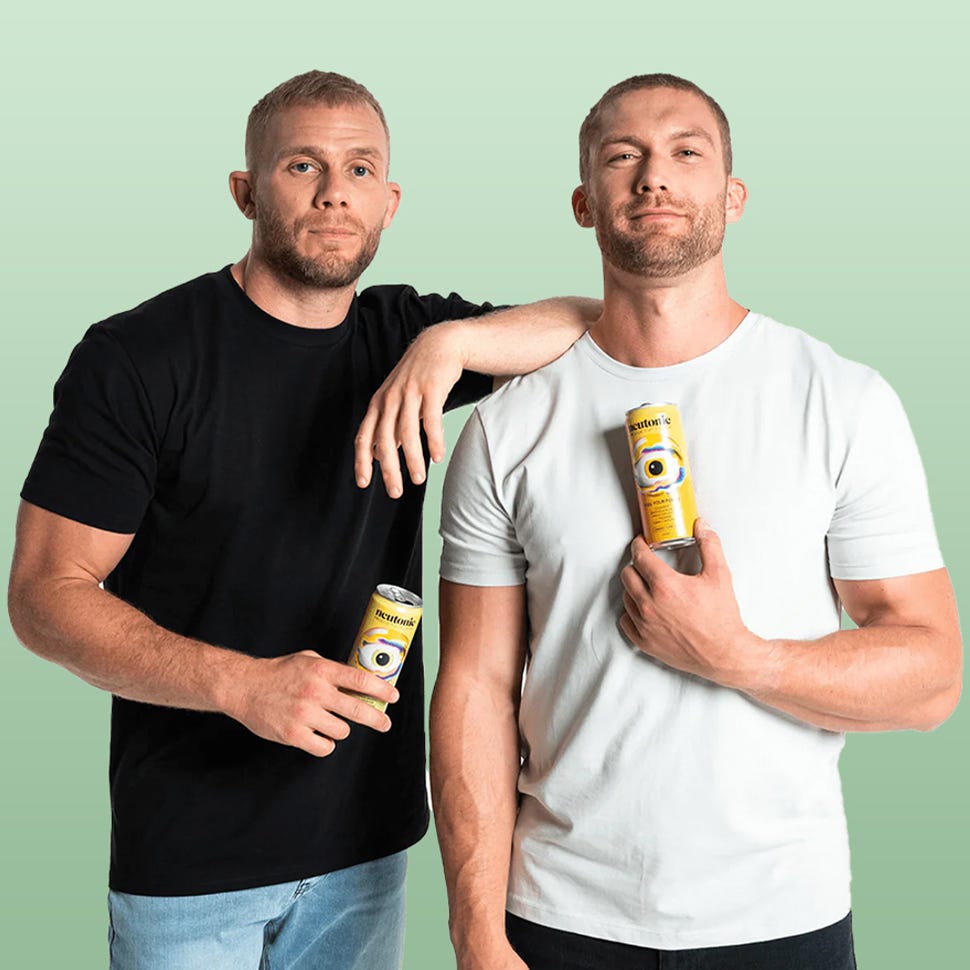
Neutonic expands retail footprint with new UK and Texas launches
Neutonic is pushing deeper into retail in 2026, with new placements across the UK and the U.S. The productivity beverage brand recently launched at Booths and Morrisons in the UK, and is now available at Central Market in Texas.
The brand positions its ready-to-drink “Productivity Drink” as focus and performance fuel, built around a nootropic blend and 120mg of natural caffeine. Central Market’s listings show multiple flavors already live, signaling a real rollout rather than a one-off test.
This is the next evolution of functional beverages: less “energy drink,” more “deep work.” As consumers look for cleaner stimulation and routine-based performance products, retailers are starting to treat productivity drinks like a real shelf set, not a novelty.
Whether you’re launching your first SKU, pushing into retail, or just trying to stay ahead of where CPG is headed, that’s what Cpgconnect is here for. This community exists to connect the right people, surface real opportunities, and share what’s actually working as brands scale.
If you haven’t yet, take a minute to fill out the form so I can keep tailoring this to what’s most useful for you. And for daily updates, brand finds, and behind-the-scenes CPG moments, make sure to follow along on Instagram.
→ Follow @cpgconnect.xyz
More coming soon. Appreciate you all and excited for what 2026 has in store!
Catch you next week ✌️
- Zach
P.S. If this was helpful, pass it along to a founder or teammate who’d get value out of it. And as always, hit reply anytime. I read every message.
Really happy for the Good Crisp team! I also can't stop eating their stuff.