

Cpgconnect // Vol. 28: Protein Goes Everywhere, Pantry Staples Get Modern, and Retail Signals Get Loud


Performance brands moving into daily fuel, legacy categories getting rebuilt with modern ingredients and branding, and a steady stream of capital and acquisitions chasing repeat-heavy staples.
But before we dive in, take a quick second to fill out this form. It helps me give back to the CPG community we’re building, connect the right people, and surface new opportunities for brands looking to grow.
Events:
RSVP - SLC DTC Dinner 1/22 (Slc)
RSVP - Glimpse x Rho Dinner 1/22 (Nyc)
RSVP - The Consumer VC Wake Up 1/22 (Aus)
RSVP - Operator Room Miami 1/26 (Miami)
RSVP - Connecting Creators 1/29 (Slc)
RSVP - Workout + Lunch 2/2 (Slc)
RSVP - NYC Commerce Club 2/10 (Nyc)
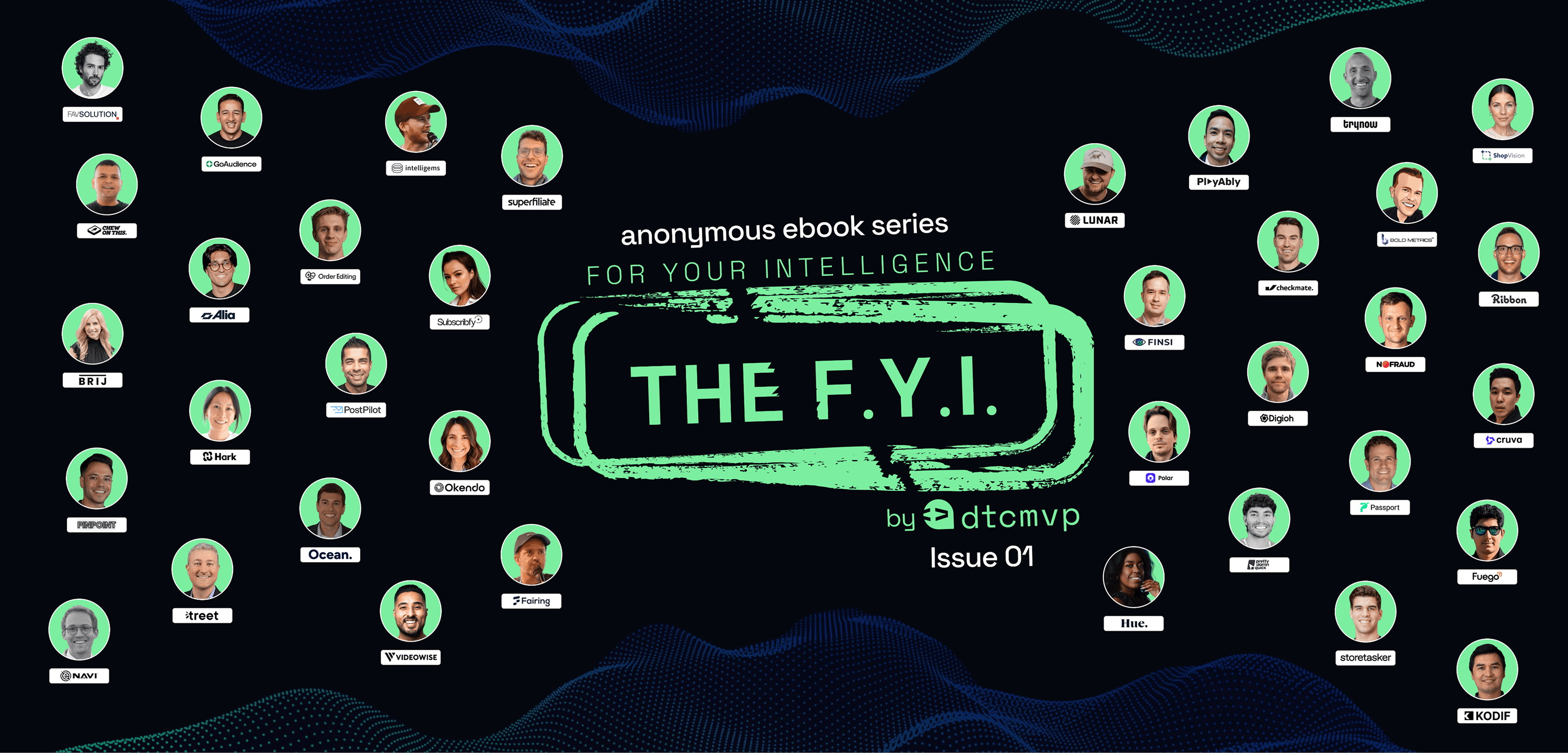
DTCMVP dropped a new read worth your time: The F.Y.I. (For Your Intelligence), kicking off with “The Insights Recession.”
It’s anonymous 2026 predictions pulled from real operator conversations across the Shopify ecosystem.
The punchline is, we have more tools and more dashboards than ever, but less trust in the numbers and less clarity in decisions. One line that stuck with me: Shopify gives you the pipes, but you’re still on your own to find the water.
If you’re operating in DTC/CPG right now, this will feel uncomfortably accurate.
Read it here → Link
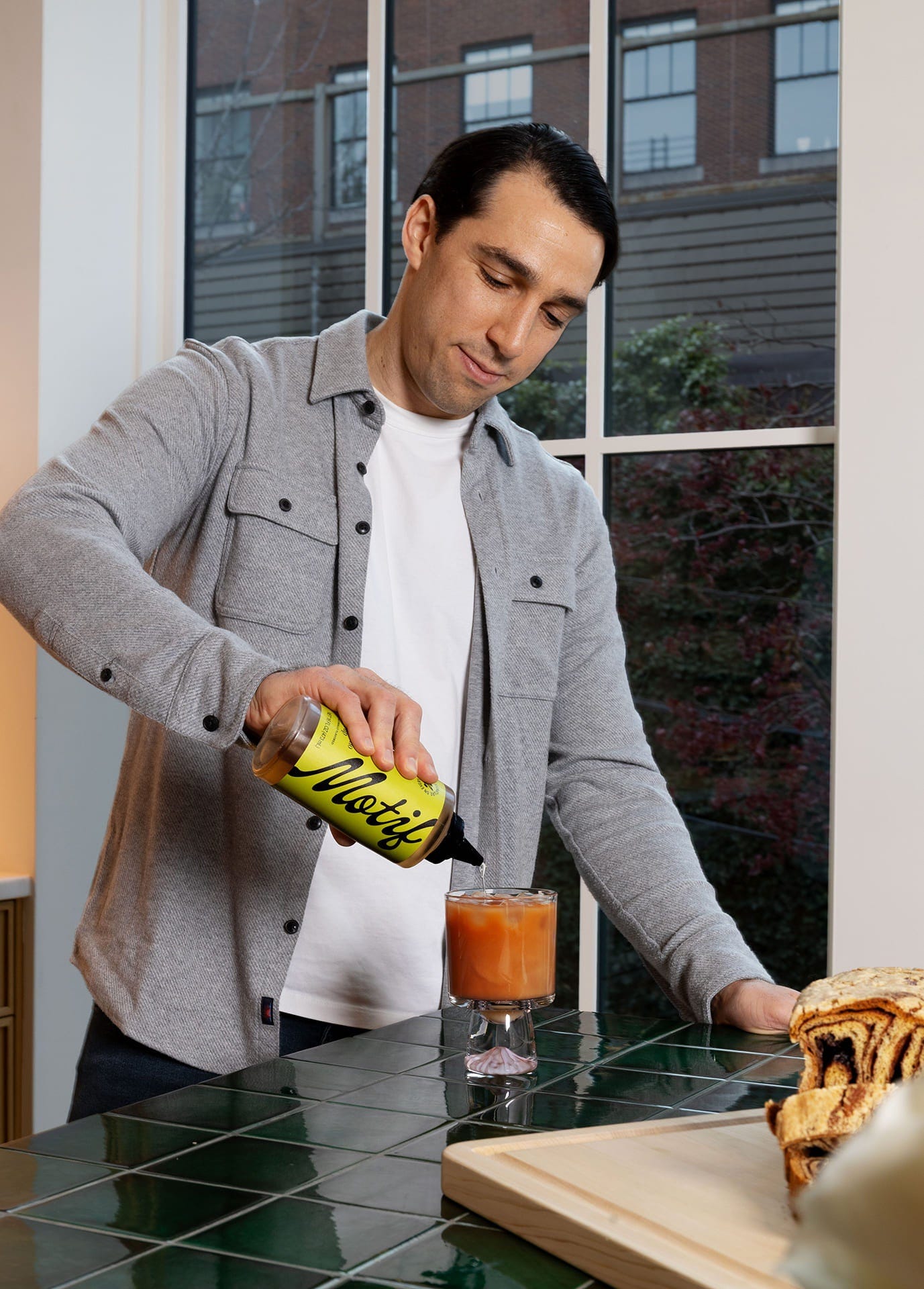
Brand Shoutout: brewmotif.com → Motif (brewmotif.com) makes premium, naturally flavored coffee and tea syrups designed to turn your kitchen into your favorite cafe. Their syrups are built differently: 70% less sugar than leading brands, sweetened with agave and other natural sweeteners, and made with no artificial flavors or colors and no preservatives.
Current flavors include Cinnamon Babka, Vanilla, Pistachio, Chocolate, and they back it up with simple at-home recipes (lattes, iced coffee, even espresso martinis) so you can build a daily ritual that actually feels elevated.
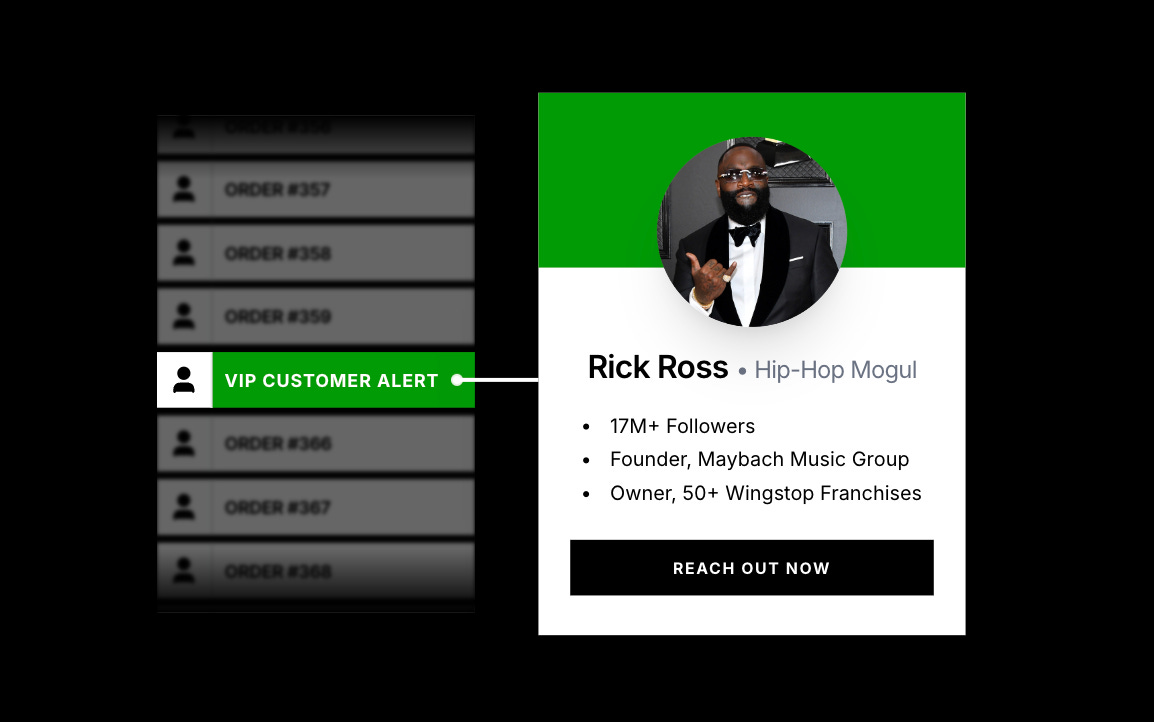
Tech Shoutout: outersignal.com → OuterSignal is a customer intelligence layer that helps brands answer the question Shopify can’t: who is actually buying from you.
It installs in minutes and enriches your customer list with real-world signals like occupation, influence, and even retail decision-maker roles, so you can instantly spot VIPs, uncover hidden B2B opportunities, and build sharper segments. The best part is activation: export audiences straight into Meta and Klaviyo, trigger Slack alerts when a high-value customer purchases, and personalize retention around who someone is, not just what they bought.
If you’re tired of flying blind on customer data and want a clearer view of your best buyers, OuterSignal is worth a look.
Unwrapped w/ Alissa Miky from OoMee

I sat down with Alissa Miky, founder of OoMee, to unpack how a serial entrepreneur from Japan is trying to make seaweed feel less like a niche snack and more like an everyday wellness ritual, starting with a drink.
Alissa’s background is wild. At 21, she built a flower shop business that became number one in Tokyo. After that, she launched an AI startup. This is her third company, and the spark for OoMee came from something personal. After moving to the U.S., she said she gained 40 pounds in three months and spent the last year fighting cancer. She hit a point where she felt disconnected from her health, and on a trip back to Japan she noticed something she’d taken for granted growing up: seaweed is everywhere. Chips, candy, drinks, supplements, you name it.
That turned into a simple thesis. If seaweed is a “daily” ingredient in Japan, why doesn’t it exist in a modern, easy-to-consume format in the U.S.?
The problem, of course, is that most people don’t exactly crave seaweed. Alissa’s take was honest: the default perception is fishy, salty, and limited to nori sheets, chips, or salad. So OoMee was designed around accessibility. They developed what she calls a “sea biotech” process that lets them turn seaweed into a liquid formulation without chemical additives, aiming for something that just tastes like a juice.
From there, the story becomes a four-year operations grind. She shared two major bottlenecks: controlling the seaweed supply chain (because harvest conditions can change the fiber and texture dramatically), and finding manufacturing partners that could produce something this unconventional without OoMee building expensive facilities. She said it took four years, thousands of tests, and plenty of “this will never work” moments before they finally locked in the right partners and got the product to shelf-stable form.
Then the flywheel kicked in. OoMee launched in March, and Alissa said they’ve already expanded to 700 locations nationwide within five to six months. DTC exists, but the strategy is clearly omnichannel: use digital to educate and build community, then turn that awareness into retail pull through sampling and in-store discovery. She mentioned that demos have performed materially better than typical functional beverage benchmarks, and framed the brand around “freedom” and sustainable weight management, not diet culture.
Her closing message was one of the most human parts of the conversation. She talked openly about building as a young Asian woman, not being a native English speaker, not having a built-in network in the U.S., and still pushing forward anyway. The takeaway wasn’t a neat tactical lesson. It was: you probably have more support than you think, so don’t waste it.
OoMee is early, but the blueprint is clear: take an ingredient with real cultural depth, translate it into a format that fits modern habits, and win through education, community, and retail velocity.
News:
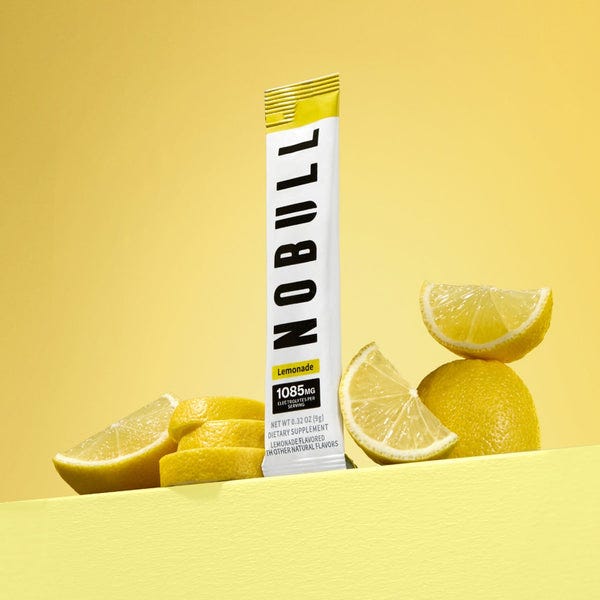
NOBULL launches Nutrition with protein + electrolytes.
NOBULL just launched NOBULL Nutrition, introducing a lineup of protein powders and electrolyte drink mixes as the brand expands from training gear into consumable performance.
This is the “frequency upgrade” play. Apparel is an occasional purchase. Nutrition can become a daily habit. If NOBULL can earn a spot in someone’s routine, it turns the brand from something you wear into something you rely on.
And the operator signal here is loud. Mike Repole, known for building and scaling modern performance beverage platforms, is a co-owner, and the launch aligns with the broader consolidation of performance and wellness under the NOBULL umbrella.
The bigger bet: performance brands are trying to own the full stack, training, identity, and now fuel. The winners won’t just sell product. They’ll become the default routine.
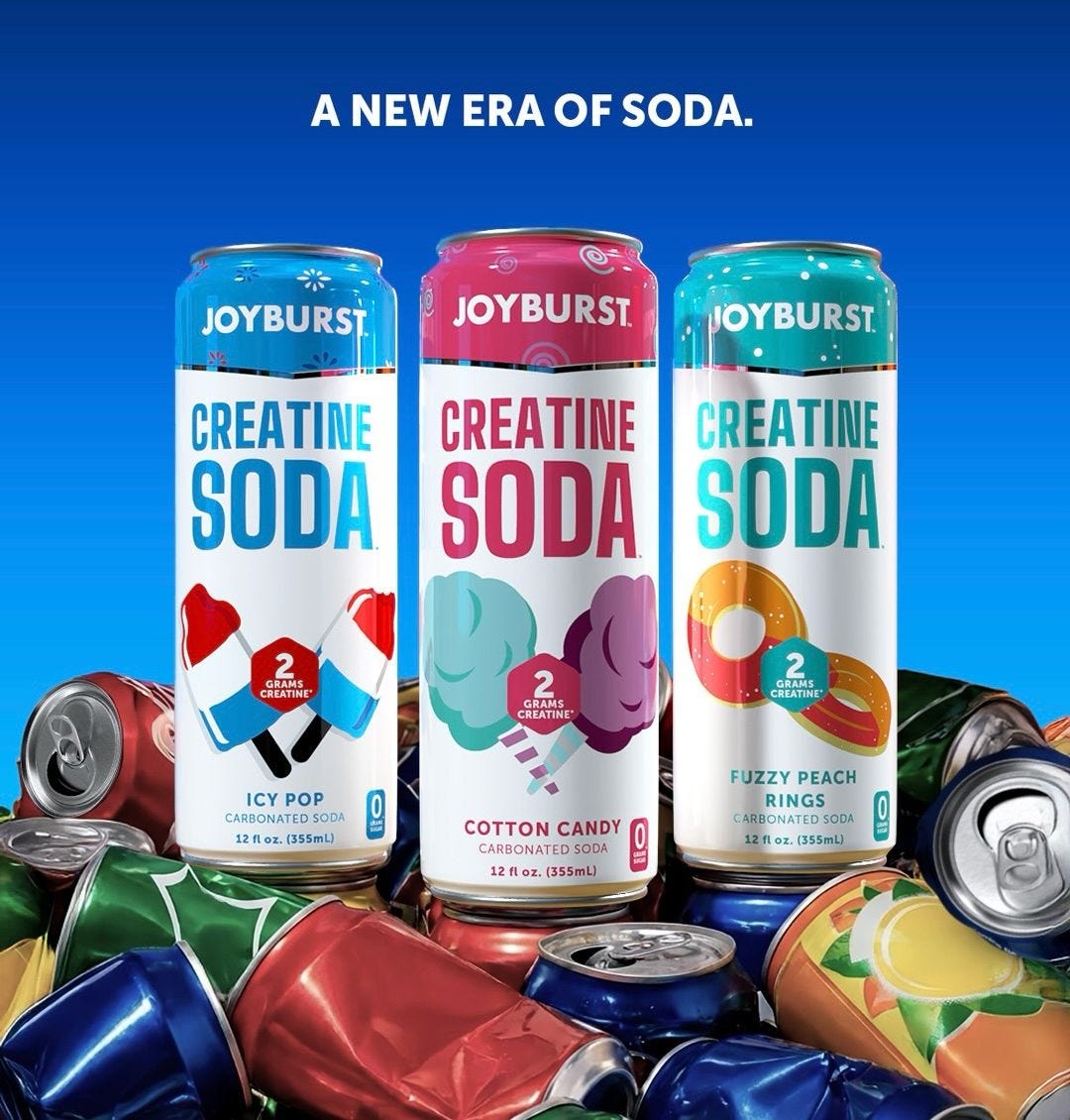
Joyburst is launching Creatine Soda in May.
Joyburst is launching a new functional beverage line in May: Creatine Soda, a canned and carbonated “modern soda” built around performance positioning.
Early details point to 2g creatine per can with zero sugar and zero calories, plus a flavor lineup that leans hard into nostalgic candy energy (Icy Pop, Cotton Candy, Fuzzy Peach Rings).
Creatine is one of the most mainstream performance ingredients in the world, but it’s still underrepresented in true RTD soda formats. This launch is a bet that the next wave of functional beverages won’t win by stacking more ingredients, it’ll win by making a daily habit feel fun and frictionless.
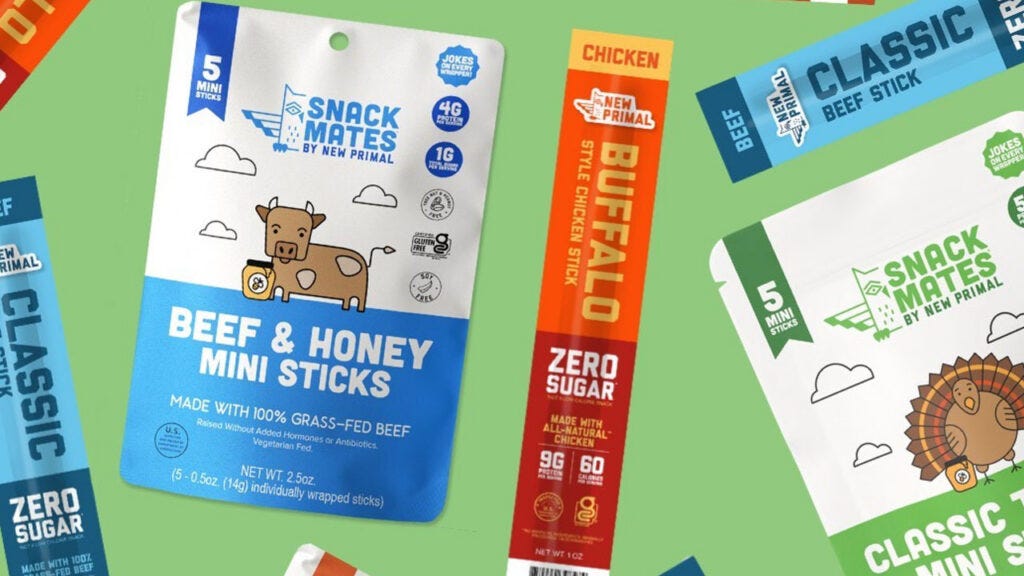
New Primal is on track to surpass $100M in annual retail sales in 2026.
New Primal says it’s set to cross a major milestone next year: more than $100M in annual retail sales in 2026, fueled by aggressive retail expansion and new production capacity.
The clearest growth lever is distribution. The brand is rolling into Aldi stores nationwide, and they’re projecting their footprint to reach roughly 15,000 retail locations by the end of Q1 2026, a reported 40% YoY increase in doors.
To support the next wave, New Primal is also investing multi-millions into automation to triple production capacity, signaling this isn’t just a “more doors” story, it’s an operations scaling story.
The bigger takeaway: better-for-you protein snacks are becoming a default pantry item, and the brands that win won’t just be the tastiest, they’ll be the ones that can scale supply fast enough to keep shelves full when velocity hits.
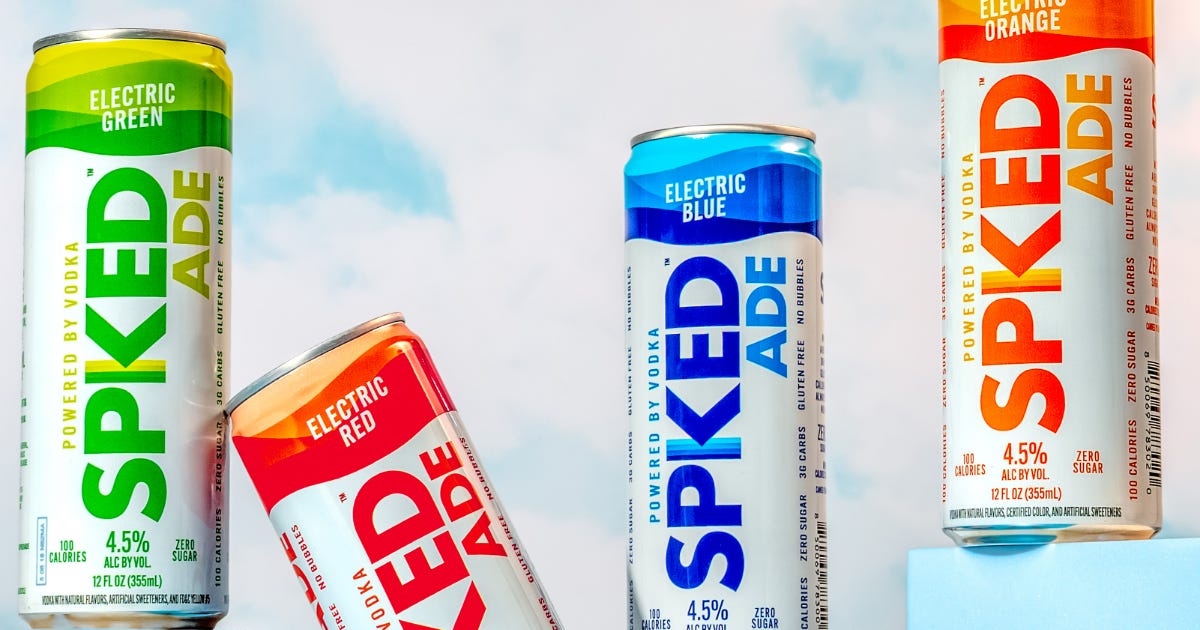
SpikedAde secures $10M to scale vodka-based “sports drink” RTDs.
SpikedAde, a vodka-based, sports drink-inspired RTD cocktail brand, just closed a $10M funding round to support growth and expansion.
The positioning is the real story. SpikedAde is pitching itself like an “enhanced beverage” in an RTD can, built around sports drink flavor nostalgia, with claims of zero sugar, non-carbonated, and 100 calories per can.
This raise is a bet that RTDs still have room to create new occasions beyond seltzer and classic cocktails. If SpikedAde can own the “game day hydration vibe” while staying clearly on the right side of alcohol merchandising and consumer expectations, it could carve out a real lane.
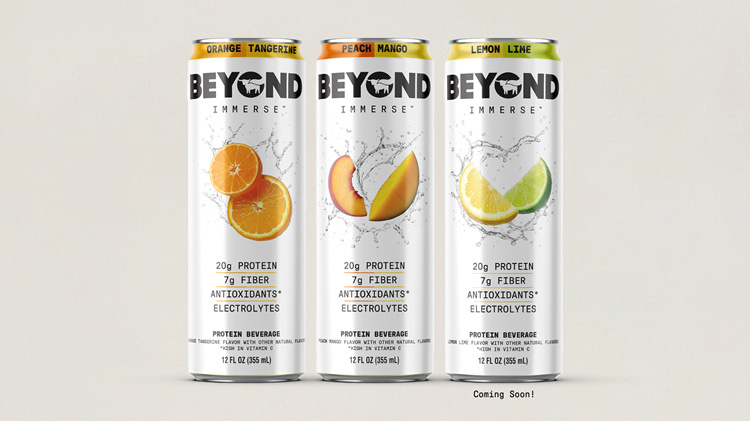
Beyond Meat moves into the beverage aisle with Beyond Immerse.
Beyond Meat is expanding beyond plant-based meat with the launch of Beyond Immerse, a functional beverage positioned around plant-based protein, fiber, antioxidants, and electrolytes.
The drink is being introduced through Beyond’s Test Kitchen as a controlled rollout, signaling this is an experimentation and learning phase rather than a full retail push. It’s a notable shift in format: lighter, drinkable protein designed to fit daily routines, not just meal occasions.
The bigger signal here is strategic. As plant-based meat faces slower growth and tighter shelves, Beyond is testing adjacent categories where its core strength, protein innovation, can travel further. This is a bet that protein doesn’t need to look like food anymore to win. It just needs to be easy, functional, and repeatable.
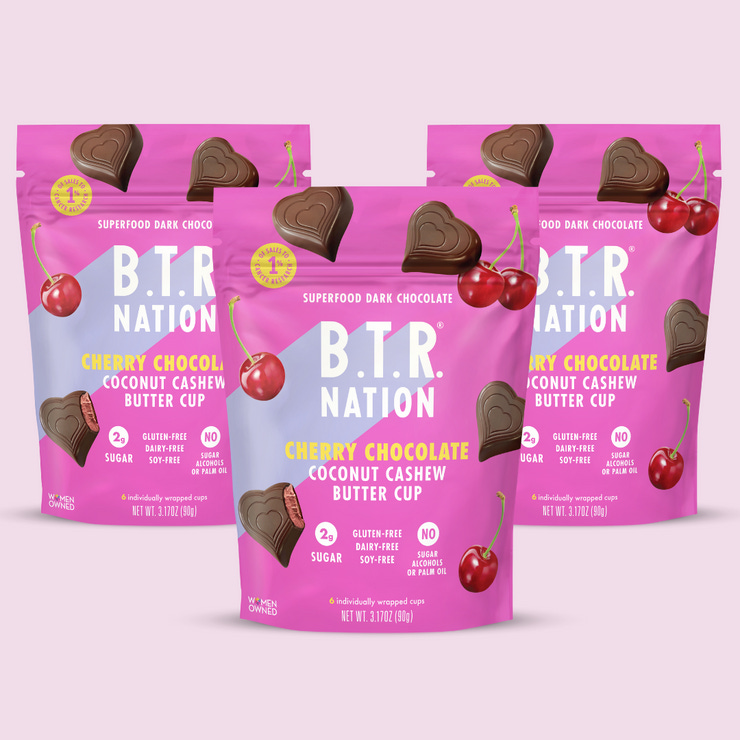
B.T.R. Nation’s Chocolate Butter Hearts go nationwide at Whole Foods for Valentine’s Day.
B.T.R. Nation just announced that its Dark Chocolate Almond Butter Hearts and Dark Chocolate Hazelnut Butter Hearts are now nationwide in every Whole Foods Market for Valentine’s Day.
This is a major distribution milestone for a modern “better-for-you indulgence” brand. Whole Foods is still one of the strongest validation points in natural grocery, and getting full-chain coverage means the brand has earned both buyer confidence and operational consistency at scale.
The bigger takeaway: seasonal moments like Valentine’s are a cheat code for trial. Limited-time formats create urgency, earn endcap attention, and let brands prove velocity fast. If this performs, it’s the kind of launch that can open the door to more permanent shelf space after the holiday window.
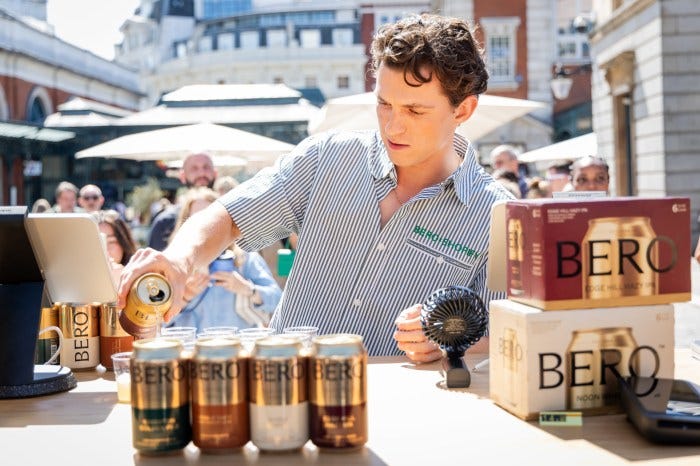
BERO lands Paine Schwartz investment, valuing the non-alc beer brand at $100M+.
BERO, the non-alcoholic beer brand backed by Tom Holland, just secured an investment from Paine Schwartz Partners, with reporting that the deal values the brand at more than $100M.
This is another signal that non-alc is graduating from “trend aisle” to real platform territory. According to The Wall Street Journal, BERO hit nearly $10M in first-year sales and is aiming for roughly $30M in 2026, driven by expanded distribution and a bigger sales team.
The bigger takeaway: capital is flowing to brands that can win a new drinking occasion without asking consumers to compromise. Non-alc beer is becoming a default choice for more people, and the winners will be the ones that pair real product quality with real shelf access.
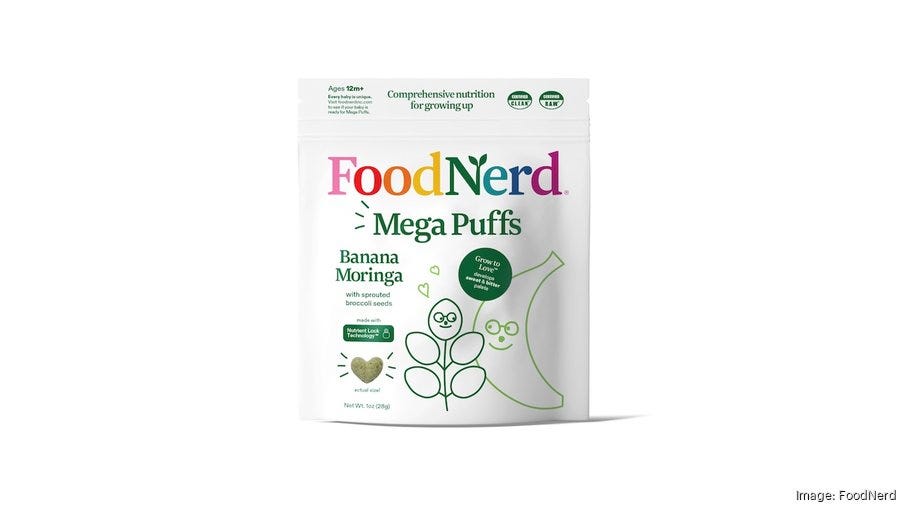
FoodNerd closes $7.5M seed round to build the next generation of toddler snacks.
FoodNerd, a Buffalo-based producer of nutrient-dense snacks for toddlers, just closed a $7.5M Series Seed round led by Selva Ventures, with participation from Spacestation Investments, S2 Venture Partners, Cistern Capital, and others.
The brand is best known for Mega Puffs, positioned as a cleaner, more nutrient-dense alternative in the toddler aisle, built around whole-food ingredients like sprouted seeds plus real fruits and vegetables.
This is a bet that the toddler and kids snack category is ready for a functional upgrade, less “kid junk,” more real nutrition, without losing convenience. If FoodNerd can win repeat at a parent-friendly price point, this is the kind of brand that can scale fast once it lands meaningful retail distribution.
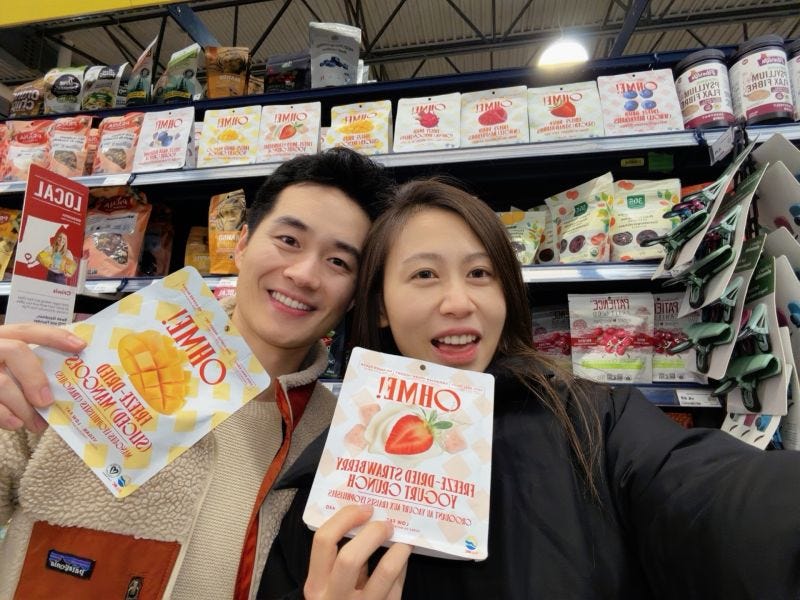
OHME! Foods lands at Whole Foods Market.
OHME! Foods just announced it’s officially on shelves at Whole Foods Market, a meaningful retail validation moment for the brand as it pushes deeper into mainstream natural grocery.
Based on the rollout details being shared, this looks focused on Whole Foods Canada (with early callouts around Vancouver-area stores).
The bigger takeaway: the “better-for-you snack” lane is still winning when the product is simple, craveable, and easy to understand at shelf. Whole Foods remains a strong proving ground, and a placement like this is often the door-opener for broader regional expansion once velocity is proven.
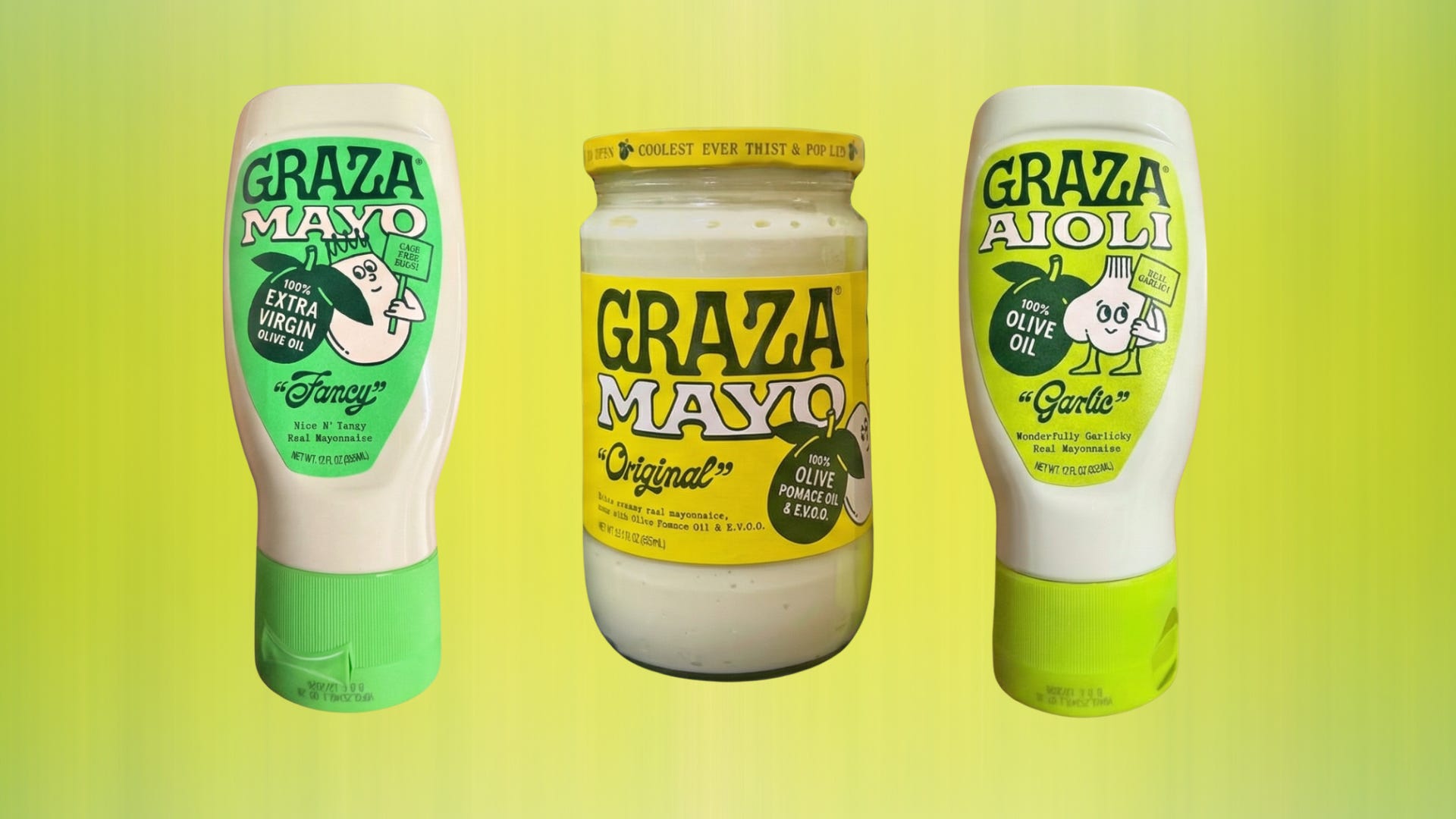
Graza is entering condiments with a new mayo line.
Graza is officially moving beyond olive oil with a new mayo and aioli lineup, including an Original Mayo, a “Fancy” Mayo, and a Garlic Aioli.
This is one of the cleanest adjacencies a modern olive oil brand can make. Mayo is basically eggs plus oil, and Graza already owns a strong “better fat” identity. If they can translate that same brand trust into a staple condiment, this becomes a high-frequency pantry play.
Early sightings suggest it’s already showing up in retail (including Whole Foods) ahead of a full push on Graza’s site, which reads like a distribution-first rollout to win the aisle fast.
Whether you’re launching your first SKU, pushing into retail, or just trying to stay ahead of where CPG is headed, that’s what Cpgconnect is here for. This community exists to connect the right people, surface real opportunities, and share what’s actually working as brands scale.
If you haven’t yet, take a minute to fill out the form so I can keep tailoring this to what’s most useful for you. And for daily updates, brand finds, and behind-the-scenes CPG moments, make sure to follow along on Instagram.
→ Follow @cpgconnect.xyz
More coming soon. Appreciate you all and excited for what 2026 has in store!
Catch you next week ✌️
- Zach
P.S. If this was helpful, pass it along to a founder or teammate who’d get value out of it. And as always, hit reply anytime. I read every message.