

Cpgconnect // Vol. 29: Clean Energy Everywhere, Founder Comebacks, and the Next Wave of Wellness


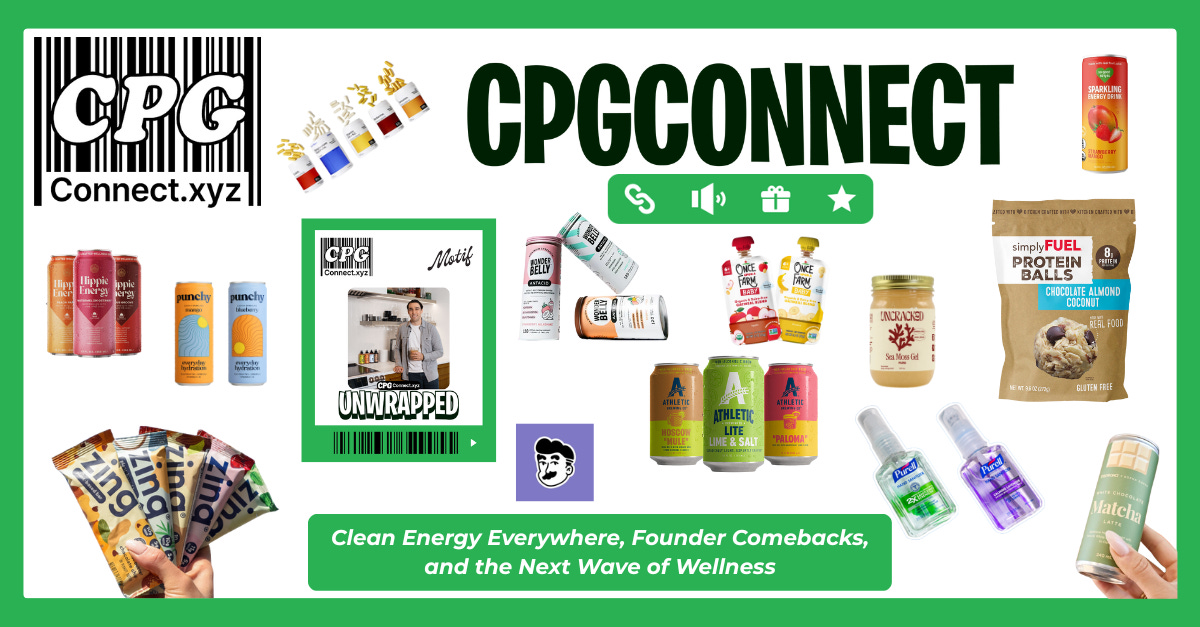
Vol. 29, dropping on January 29, lfg. From clean energy expanding into new lanes, to founders reclaiming their brands, to big CPG making real consolidation moves, there’s a lot to unpack as the year gets moving.
This edition is part catch-up, part pulse check. Wellness is shifting from moments to routines. Protein keeps showing up in new, more accessible formats. Creator partnerships are turning into real operating leverage. And retail bets are getting louder and more confident.
But before we dive in, take a quick second to fill out this form. It helps me give back to the CPG community we’re building, connect the right people, and surface new opportunities for brands looking to grow.
Events:
RSVP - Connecting Creators 1/29 (Slc)
RSVP - Founders’ Rooftop Poker 1/29 (Nyc)
RSVP - UGLY TALK: SMALL FISH, BIG POND 1/29 (Nyc)
RSVP - Keeping Customers Engaged After BFCM 1/29 (Slc)
RSVP - Workout + Lunch 2/2 (Slc)
RSVP - Leaders in Retail Dinner 2/3 (Miami)
RSVP - Smarterships ecom walk 2/4 (Miami)
RSVP - NYC Commerce Club 2/10 (Nyc)
RSVP - Founders Basketball 2/11 (Nyc)
RSVP - Cpg supper club 2/12 (Nyc)
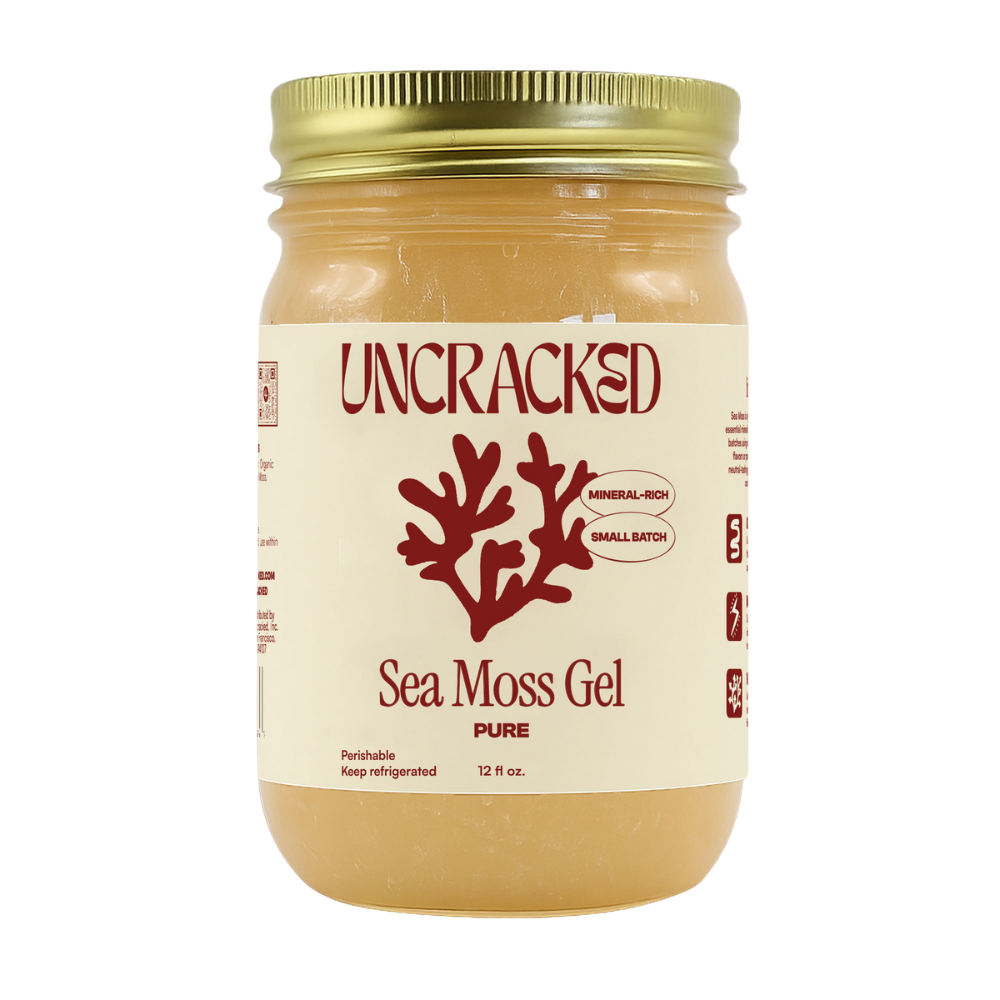
Brand Shoutout: eatuncracked.com
Uncracked is a clean-label functional food brand turning algae into everyday nutrition. Built around sea moss and other nutrient-dense algae, the brand offers versatile gels designed to support gut health, energy, and overall wellness without over-processing or artificial additives. Positioned as real food rather than a traditional supplement, Uncracked leans into simplicity, sustainability, and multi-use functionality, making algae feel approachable, practical, and genuinely modern.

Tech Shoutout: heyparker.ai
heyparker.ai is an AI creative strategist built for brands and agencies that live and die by ad performance. Trained on thousands of winning ads and direct-response playbooks, Parker helps teams research trends, generate scripts, and surface high-performing creative ideas automatically. With Slack-native workflows and autonomous TikTok ad discovery, it’s designed to keep winning ads coming in around the clock, without adding headcount.
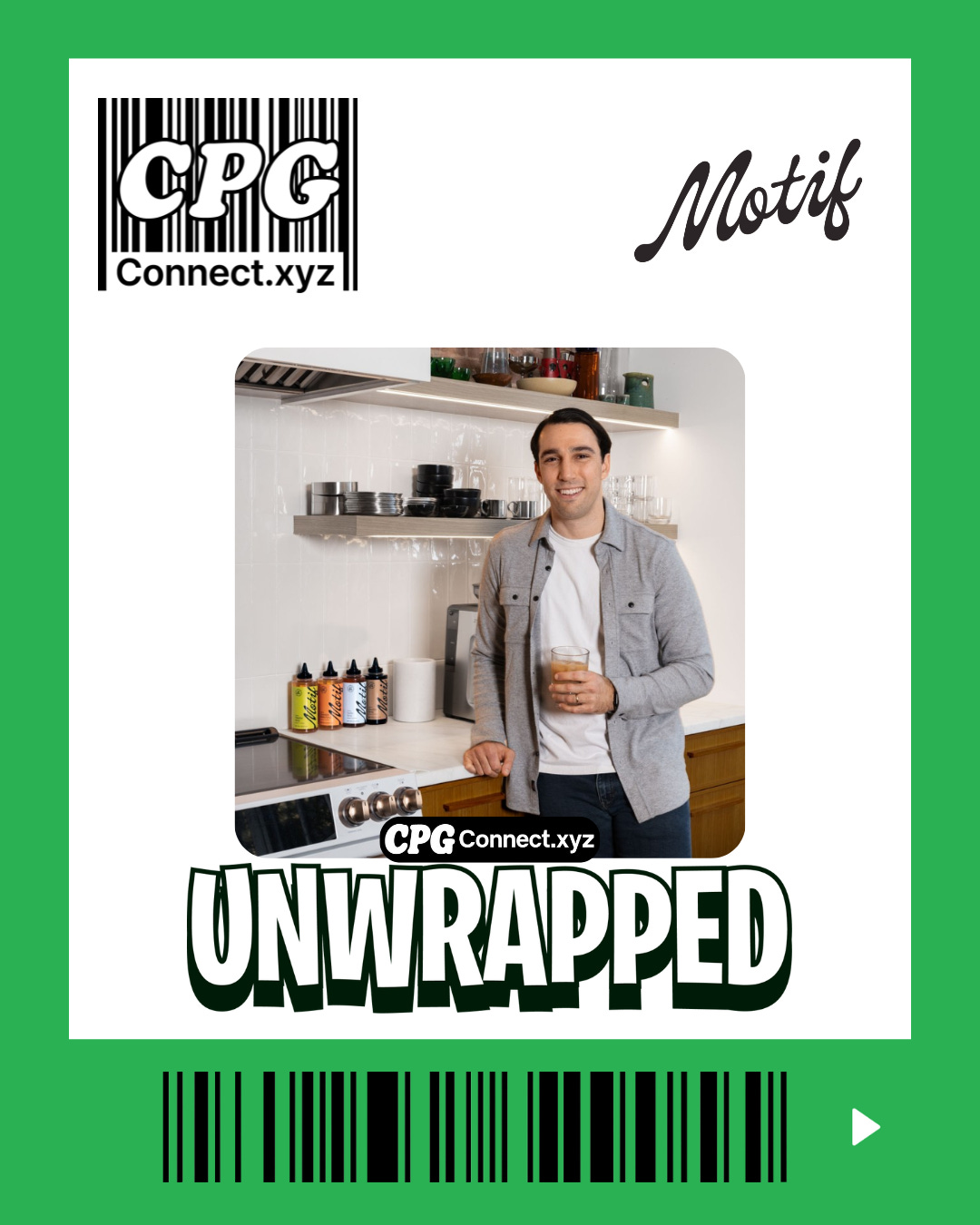
Unwrapped with Michael from Motif
Michael’s path into CPG didn’t start with a pitch deck or a food incubator. It started at home, making coffee.
Although he grew up around food and retail, his career initially took him through analytics, tech, and marketing. After business school, he worked in eCommerce at Walmart, gaining exposure to scale, systems, and how large retail organizations operate. But food never fully left the picture. His family owns and operates Zabar’s in New York City, and his first job as a teenager was scooping coffee by the pound. That early exposure ended up mattering more than he realized.
The idea for Motif came from a simple daily habit. Michael and his wife Ellie make coffee at home almost every day. They care about what they put into their bodies, live active lifestyles, and want their coffee to taste great. The problem was obvious once they started paying attention. Most flavored syrups on the market come from the same few brands and rely on artificial flavors, artificial colors, and heavy amounts of processed sugar. They didn’t match the quality of the coffee they were brewing or how they wanted to feel afterward.
So they started experimenting. At first, just for themselves.
Michael tested natural sweeteners, ingredients, and formulations in his own kitchen, trying to create a low-sugar syrup that actually tasted good. That turned out to be much harder than it sounds. At the same time, he pressure-tested the idea beyond his own preferences by surveying hundreds of people about their coffee habits and running focus groups to gather real feedback. The signal was clear. This wasn’t just a personal want. It was a shared problem.
One of the biggest challenges so far has been scale, or lack of it. As a small brand, Michael quickly learned how many doors stay closed when your order sizes are small. Manufacturers that couldn’t accommodate low volumes. Vendors that wouldn’t fulfill packaging or ingredient orders without large minimums. Hearing “no” became a regular part of the process.
What helped him move forward was asking why. Understanding why a vendor couldn’t work with him made it easier to find partners who could. Persistence mattered. He didn’t need everyone to say yes. He just needed one.
Today, Motif is growing in a way that matches how it started. The business is bootstrapped, growth is intentional, and the focus is on sustainability rather than speed. The priority right now is direct-to-consumer, building real relationships with customers, and laying the foundation to expand into select retail locations and coffee shops when the timing is right.
Michael’s advice for anyone looking to start a CPG brand is simple but critical. Talk to as many founders as you can. No amount of research replaces learning from people who’ve already been through it. The real-world perspective is where the shortcuts, mistakes, and hard truths live.
Motif is a reminder that some of the best brands don’t start by chasing trends. They start by fixing a problem in your own routine, then doing the hard work to see if others feel it too.
News:
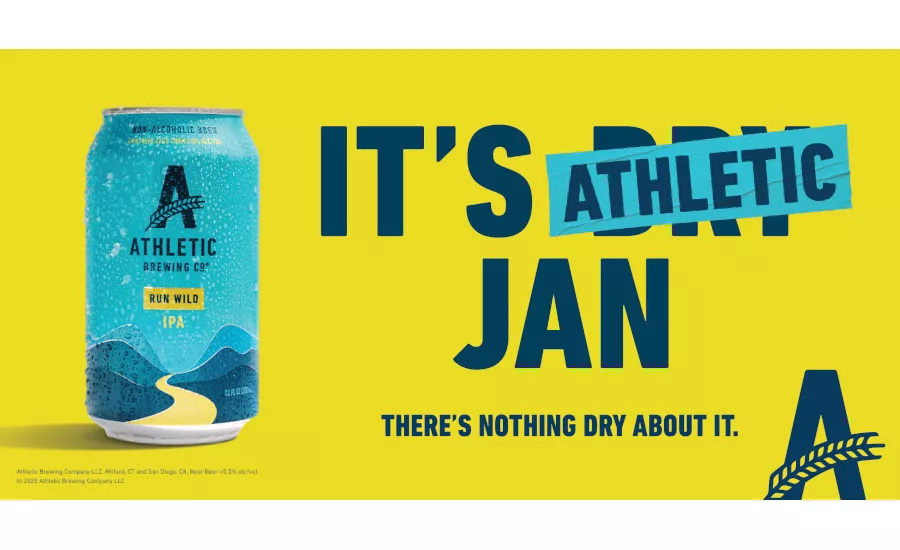
As Dry January comes to a close, I chatted with the team over at Athletic Brewing about how this moment has evolved and why they’ve approached it so differently. Athletic January was never designed around restriction or opting out. From the start, it was built on a simple idea: January doesn’t have to be dull or isolating. Instead, it can be a celebration of modern moderation, where people stay social, go out, and enjoy great-tasting brews without compromise.
That thinking led directly to Athletic’s OpenTable activation, which focused on removing friction rather than changing behavior through messaging alone. By helping diners discover restaurants and bars serving Athletic across the U.S. and Canada, the brand supported on-premise partners during a slower month while reinforcing that moderation can be social, accessible, and year-round. It wasn’t a one-off campaign, but infrastructure designed to meet people where connection already happens.
More broadly, the team views initiatives like this as on-ramps to a year-round moderation mindset. Athletic doesn’t position non-alcoholic beer as a replacement, but as a complement: a chaser, pacer, or alternative depending on the moment. That flexibility mirrors how most people actually behave. They aren’t quitting alcohol entirely. They’re choosing to drink more intentionally.
The data backs it up. Drinking rates are declining, attitudes toward alcohol’s health impact are shifting, and non-alcoholic beer has moved from fringe to foundational. Athletic’s growth reflects that momentum, with the brand now larger than the entire U.S. NA beer category was just a few years ago. Heading into 2026, deeper partnerships and a robust innovation pipeline suggest moderation isn’t a moment. It’s becoming a permanent part of modern social life.
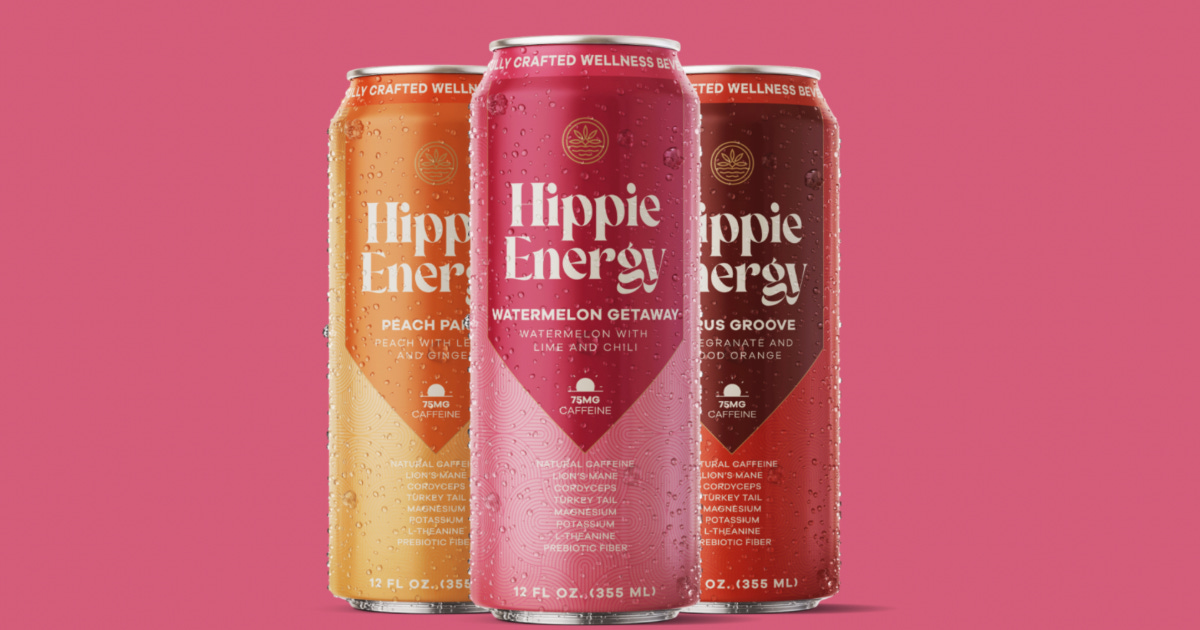
Drink Hippie launches clean energy drinks.
Drink Hippie, the better-for-you beverage platform co-founded by Sasha Pieterse, just unveiled its clean energy drink range, marking the brand’s entry into functional energy.
The lineup is built around balanced, lifestyle-friendly energy rather than extremes. Lower caffeine, functional ingredients, and a wellness-forward positioning signal a clear move away from the traditional “hard energy” play and toward daily, routine-based consumption.
This is a smart adjacency. Drink Hippie already sits at the intersection of wellness, culture, and moderation. Energy becomes a natural extension of that platform, increasing consumption frequency while staying aligned with the brand’s ethos.
The broader signal is familiar: energy is fragmenting. Instead of one-size-fits-all stimulation, brands are carving out lanes around mood, focus, calm, and identity. The next wave of energy won’t be about how hard it hits, but how seamlessly it fits into someone’s day.
The bet here isn’t just a new SKU. It’s that “clean energy” becomes part of a broader wellness routine, not a replacement for coffee or pre-workout, but a new middle ground people reach for daily.
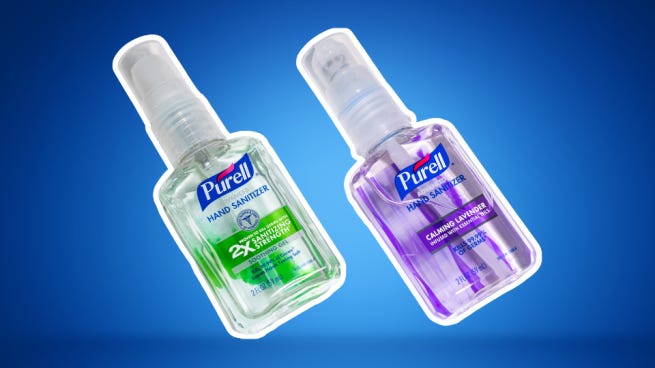
Clorox acquires Purell parent for $2.25B.
The Clorox Company has agreed to acquire GOJO Industries, the parent company of Purell, in a $2.25 billion all-cash deal, significantly expanding its footprint in skin health and hygiene.
This is a category-defining move. Purell isn’t just a pandemic-era spike brand, it’s the dominant name in hand hygiene across consumer, healthcare, and professional environments. Folding GOJO into Clorox strengthens its position in daily-use wellness and institutional channels where trust, scale, and distribution matter most.
The strategic logic is clear: hygiene is no longer episodic. It’s habitual. By pairing Clorox’s household cleaning dominance with Purell’s leadership in personal sanitation, the company is consolidating authority across the full hygiene stack.
The bigger signal is consolidation at the top of “everyday health.” As categories mature, scale players aren’t chasing novelty. They’re buying default behaviors.
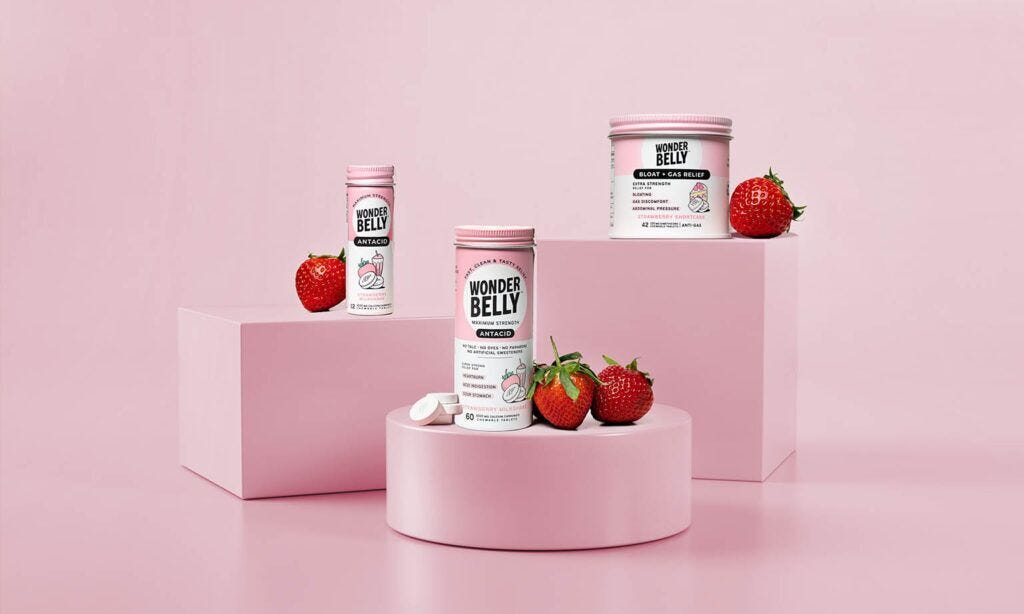
P&G acquires clean digestive health brand Wonderbelly.
Procter & Gamble has acquired Wonderbelly, the clean digestive health brand known for modern, free-from antacids and gut health solutions, for an undisclosed sum, according to a LinkedIn announcement.
The move signals continued interest from legacy CPG players in better-for-you wellness brands that reframe traditionally “unsexy” categories. Wonderbelly’s strength isn’t just formulation, it’s branding. The company made digestive health feel approachable, modern, and lifestyle-aligned in a category long dominated by dated incumbents.
For P&G, this adds a high-growth, culturally relevant brand to its personal health portfolio while giving Wonderbelly access to scale, distribution, and regulatory infrastructure that’s difficult to build independently.
The broader takeaway: large CPG isn’t just buying products anymore. It’s buying relevance in categories where trust already exists but consumer expectations have changed.
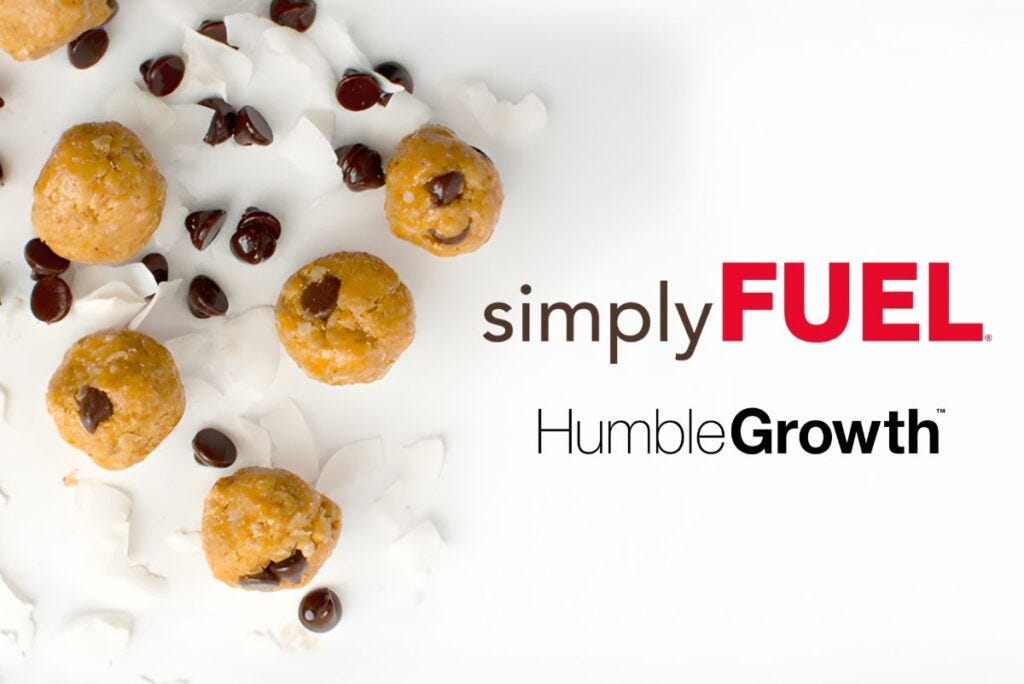
Humble Growth partners with simplyFUEL.
Consumer-focused growth equity firm Humble Growth has announced a strategic partnership with simplyFUEL, the fast-growing protein snack brand, marking a new phase of growth for the company.
The partnership brings growth capital and operational support to a brand that has already proven strong retail traction, particularly in club and mass channels. simplyFUEL’s clean ingredients, simple positioning, and grab-and-go protein format have resonated with consumers looking for functional snacks without unnecessary complexity.
For Humble Growth, the deal aligns with its founder-first approach of backing brands that combine product-market fit with early distribution momentum. The broader signal is clear: growth equity continues to flow toward protein-forward snacks that can scale quickly without losing brand clarity.
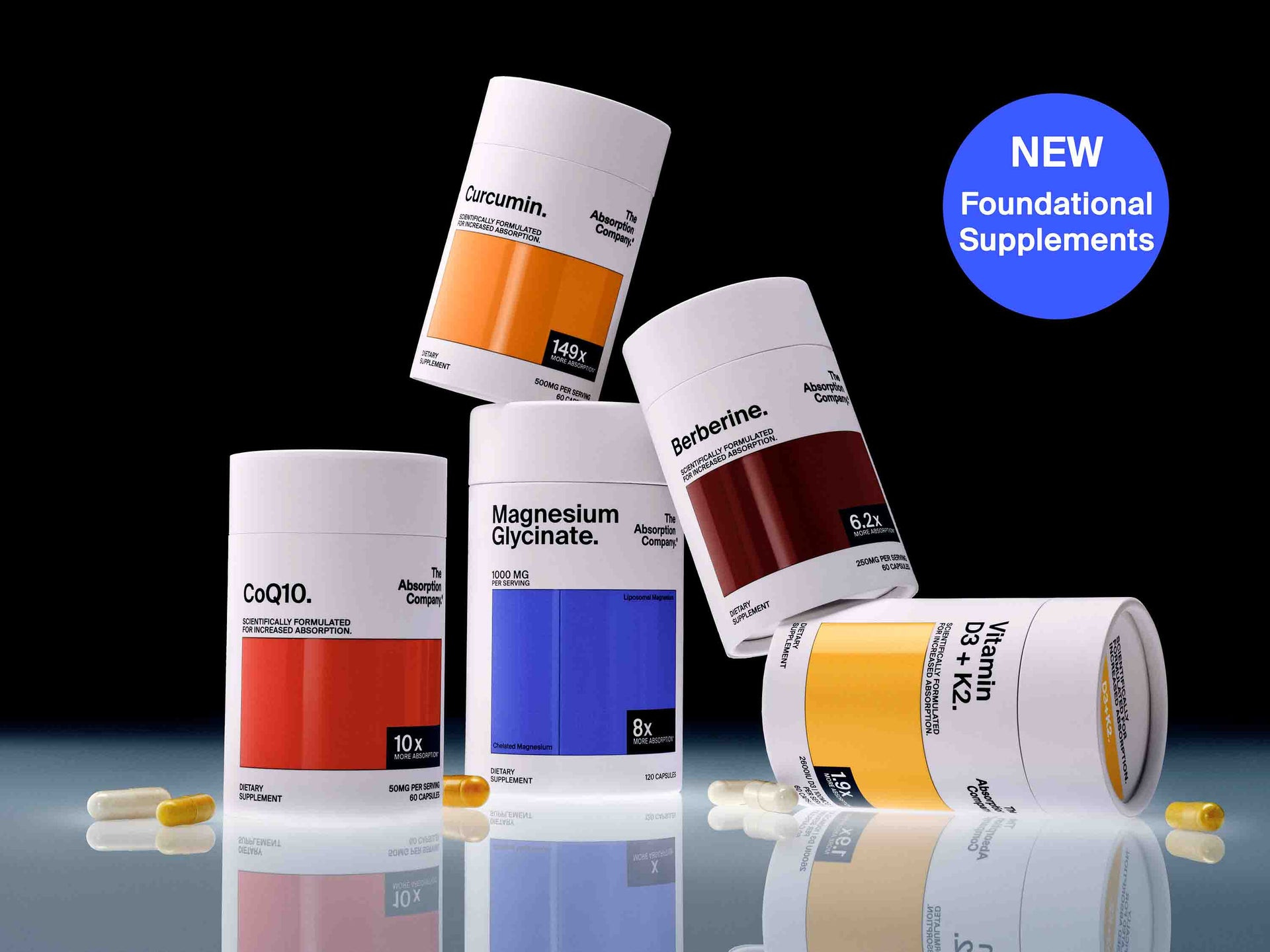
The Absorption Company launches daily supplement lineup.
The Absorption Company has introduced a new five-product daily supplement range focused on maximizing nutrient bioavailability, addressing one of the most common gaps in the supplement category: absorption.
Rather than competing on higher dosages or louder claims, the brand is positioning around effectiveness, using enhanced delivery systems designed to help the body actually utilize key nutrients. It’s a smart angle in an increasingly crowded wellness space where consumers are becoming more skeptical and more outcome-driven.
The broader signal is clear: supplement brands are shifting from “what’s in it” to “what your body actually absorbs,” and bioavailability is becoming a core differentiator in daily wellness routines.
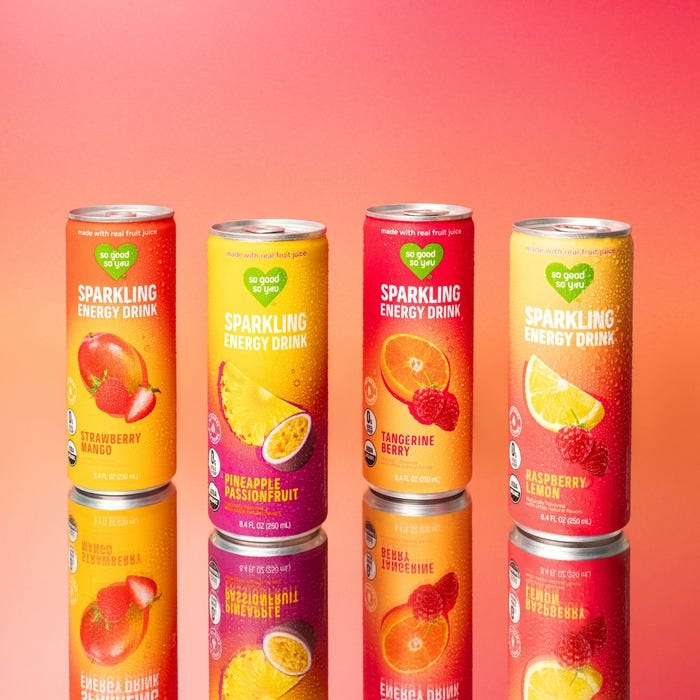
So Good So You launches clean energy drinks.
So Good So You, the Minnesota-based functional wellness shot brand, has expanded into beverages with a new clean energy drink line available in four flavors.
The move is a natural adjacency for a brand already rooted in immunity and daily wellness, extending its platform from small-format shots into higher-frequency energy consumption. With real ingredients and a clean-label approach, the launch reflects a broader shift toward calmer, wellness-first energy alternatives that fit into everyday routines rather than peak-performance moments.
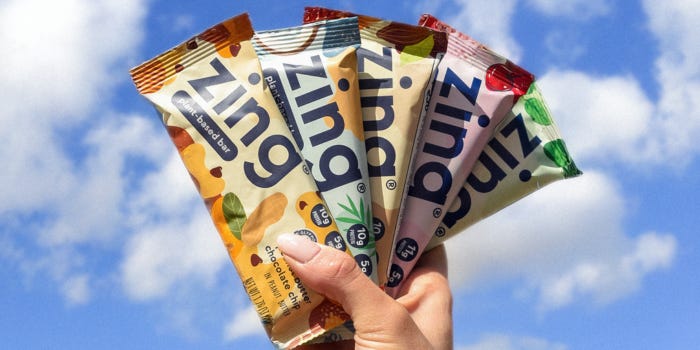
Zing returns to founder ownership.
David Ingalls, founder of plant-based protein bar brand Zing, has reacquired the brand from American Licorice Company (ALC), bringing Zing back under founder control.
The move marks a notable reversal in a category where early plant-based pioneers were often absorbed by larger confection or food groups before the market fully matured. Founder reacquisitions like this tend to signal a renewed focus on brand clarity, product integrity, and long-term positioning rather than short-term scale.
As consumer interest in plant-based protein continues to evolve, Zing’s return to founder ownership highlights a broader theme showing up across CPG: experienced founders stepping back in to rebuild, refocus, and guide the next chapter with sharper conviction.
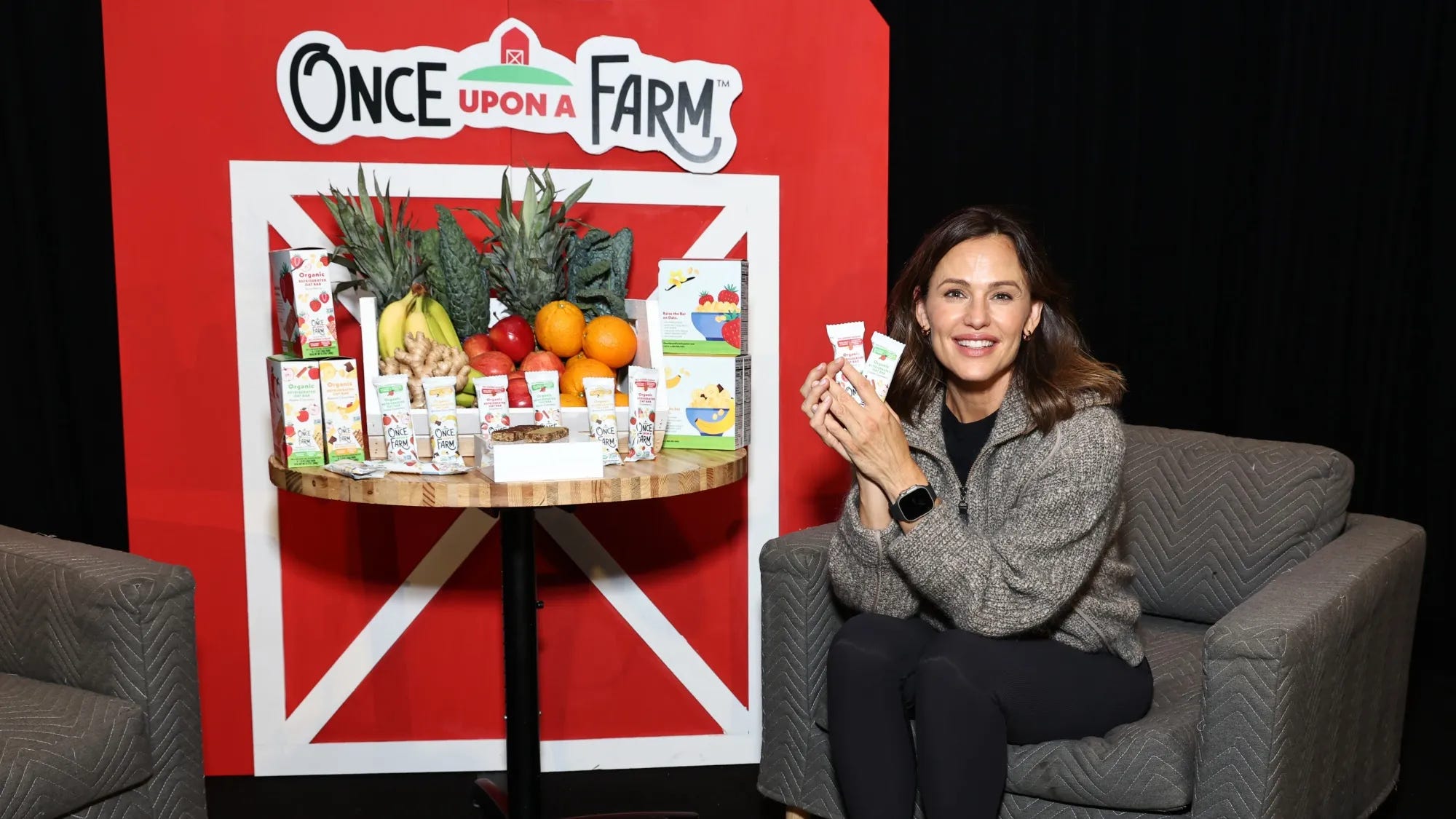
Once Upon a Farm kicks off IPO roadshow.
Once Upon a Farm has officially launched its IPO roadshow, with the company reportedly aiming to raise around $200M at a valuation north of $750M.
The move marks a significant moment for the better-for-you food category, signaling renewed confidence in consumer public markets after a slower IPO environment. Once Upon a Farm’s scale, category leadership in fresh children’s nutrition, and strong brand trust position it as one of the most closely watched CPG listings in years.
The broader takeaway: select, mission-driven food brands with real velocity and distribution are once again testing the public markets, and the window for high-quality CPG IPOs may be reopening.
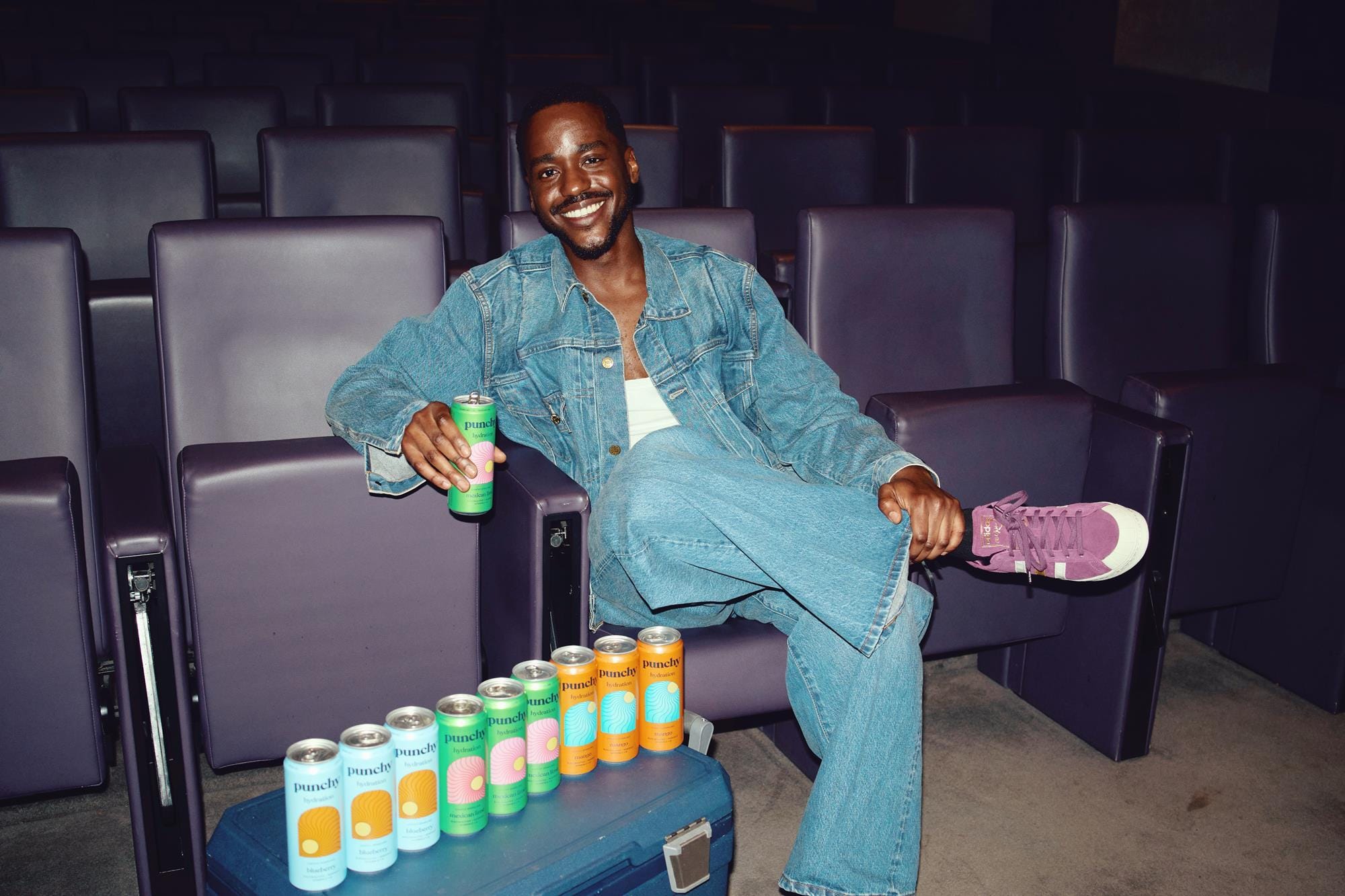
Punchy adds Ncuti Gatwa as investor.
UK-based beverage brand Punchy has added actor Ncuti Gatwa as an investor, according to a LinkedIn announcement.
The move reflects a broader shift toward equity-backed creator partnerships, where cultural relevance and long-term alignment matter more than one-off endorsements. For Punchy, bringing a high-profile investor onto the cap table strengthens brand visibility while signaling confidence in its next phase of growth.
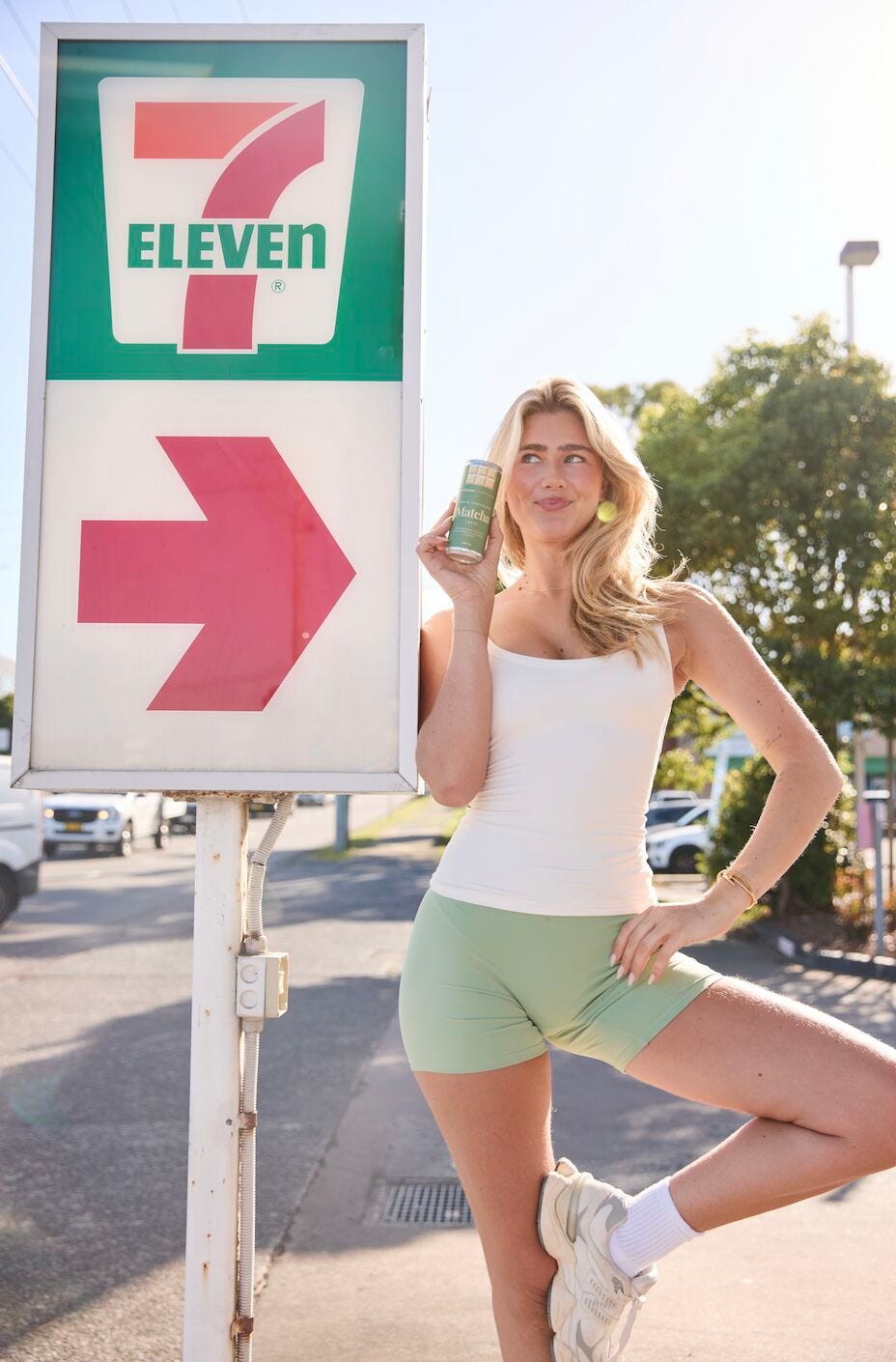
Sophadopha x Tropeaka launch White Chocolate RTD Matcha Latte.
Creator-led brand Sophia Begg (Sophadopha) and wellness brand Tropeaka are launching a White Chocolate RTD Matcha Latte, expanding their partnership beyond powders into ready-to-drink.
The cans will launch exclusively at 7-Eleven Australia across 750+ stores starting February 2, following the strong performance of their Beauty Matcha collaboration. The rollout is supported by an IRL activation in Sydney, pairing creator presence with in-store trial.
This is influencer marketing done right: long-term partnership, proven demand first, then format expansion and mass convenience distribution. It’s less about hype and more about building products that already have an audience before they hit shelves.
Whether you’re launching your first SKU, pushing into retail, or just trying to stay ahead of where CPG is headed, that’s what Cpgconnect is here for. This community exists to connect the right people, surface real opportunities, and share what’s actually working as brands scale.
If you haven’t yet, take a minute to fill out the form so I can keep tailoring this to what’s most useful for you. And for daily updates, brand finds, and behind-the-scenes CPG moments, make sure to follow along on Instagram.
→ Follow @cpgconnect.xyz
Catch you next week ✌️
- Zach
P.S. If this was helpful, pass it along to a founder or teammate who’d get value out of it. And as always, hit reply anytime. I read every message.
 | A guest post by
|